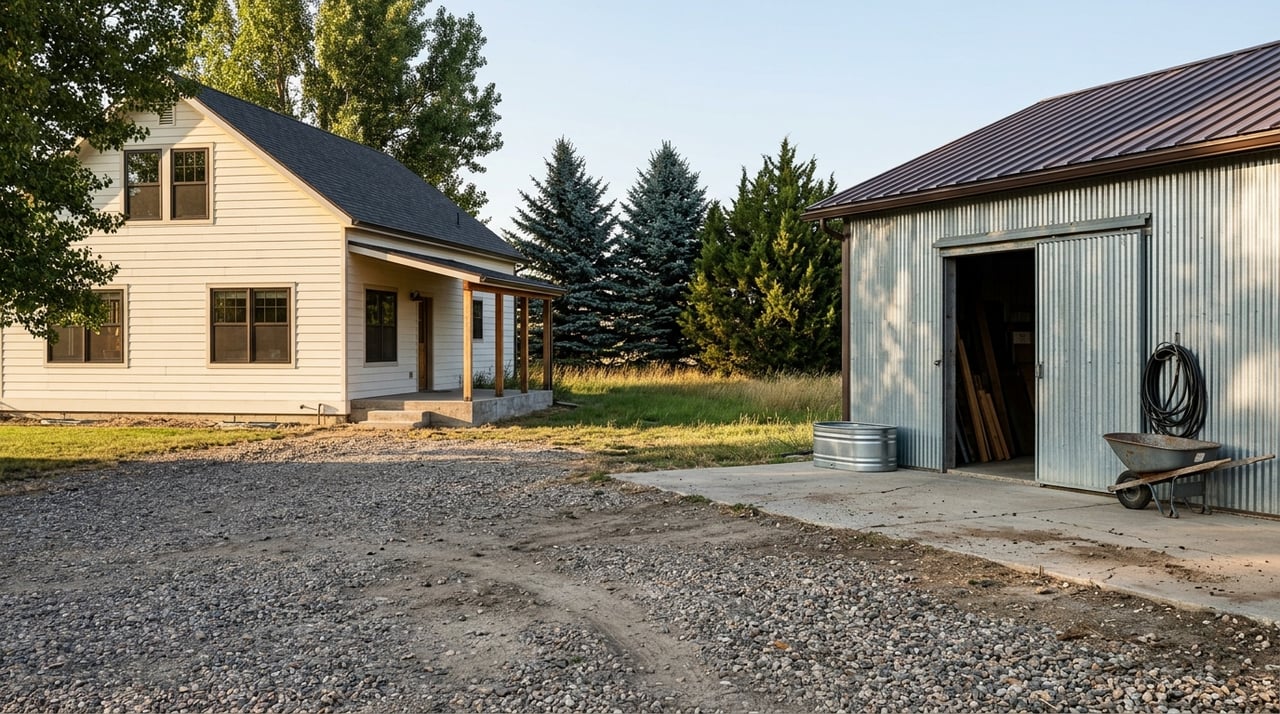
If you have ever wondered whether owning acreage near Banner is peaceful freedom or a lot of extra work, the honest answer is both. You get space, privacy, big Wyoming views, and easy access to outdoor recreation, but you also take on more hands-on responsibility than you would on a typical in-town lot. If you are thinking about buying land or a home with acreage in the Banner area, this guide will help you understand the day-to-day reality, the seasonal rhythm, and the key things to check before you make a move. Let’s dive in.
Why acreage near Banner appeals
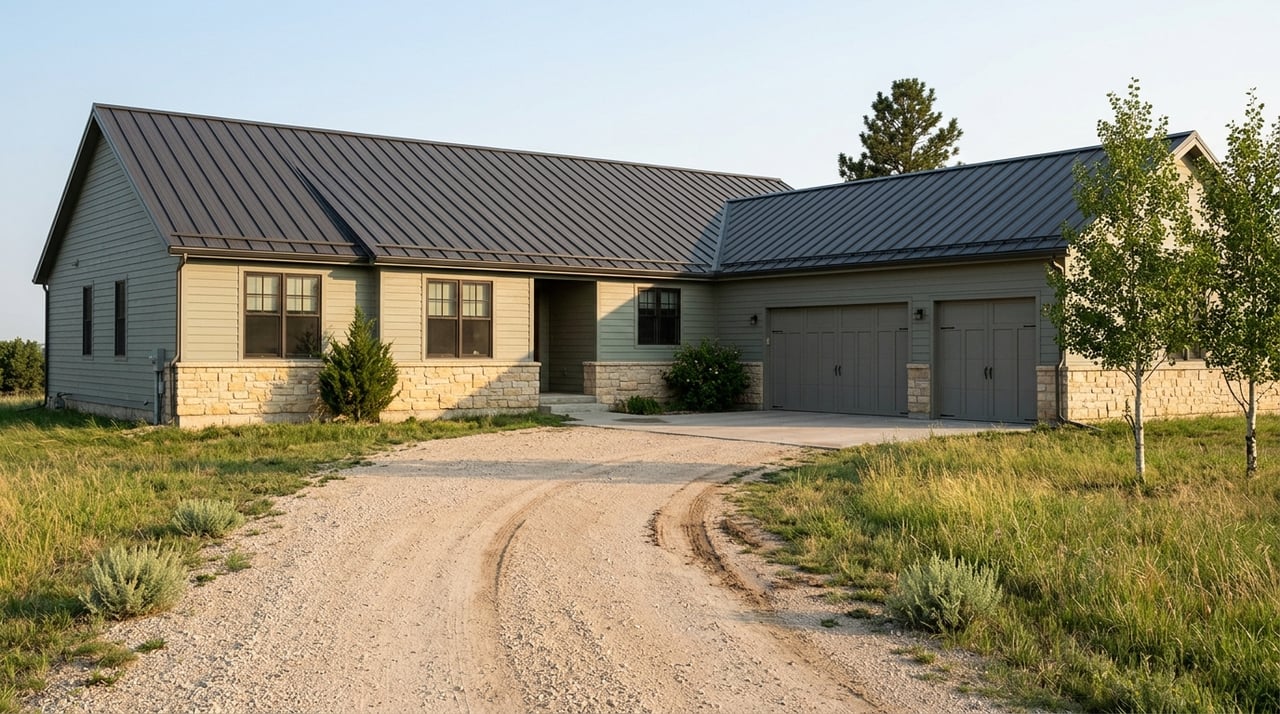
Acreage near Banner offers a lifestyle that feels tied to the land. In Sheridan County, open space, mountain scenery, and room to spread out are a major part of the draw, especially for buyers who want privacy and flexibility instead of subdivision-style living.
The setting also supports an active outdoor lifestyle. According to the Sheridan County Comprehensive Plan, the county is crossed by I-90 and Highway 14/16, with the Bighorn National Forest nearby to the west. The Bighorn National Forest recreation overview highlights hiking, horseback riding, camping, scenic drives, winter sports, wildlife viewing, and more than 1,200 miles of trails.
That combination shapes what many buyers are really looking for here. Instead of shared amenities, they often want room for equipment, animals, hobbies, outbuildings, or simply a little breathing room between neighbors.
What daily life feels like
Living on acreage near Banner usually feels quieter and more self-directed than living on a standard residential lot. You may have more land to maintain, longer driveways, private utilities, and more exposure to weather, but you also gain a level of space and independence that many buyers value highly.
In practical terms, you will likely spend more time paying attention to the property itself. That can mean checking fences, keeping an eye on water systems, managing weeds, or planning around snow and wind instead of relying on a homeowners association or city services.
For many owners, that tradeoff is worth it. If you like being outdoors, using your property actively, and having more control over how your space functions, acreage can feel rewarding in a way that a smaller lot often does not.
Seasonal rhythm matters
One of the biggest adjustments with acreage ownership is learning the yearly pattern. The nearby Sheridan climate station reports about 12.22 inches of annual precipitation, 71.8 inches of annual snowfall, a mean annual temperature of 43.9°F, and an average wind speed of 11.8 mph, according to National Weather Service climate summaries.
That matters because rural property tasks change with the season. January averages around 28.7°F for highs and 4.2°F for lows, while July averages 87.9°F and 54.8°F. Those swings can affect everything from driveway conditions to irrigation timing.
Spring chores on acreage
Spring often brings the least glamorous part of acreage ownership: thaw, mud, and catch-up maintenance. Freeze-thaw cycles can make access roads soft, expose winter damage, and turn basic outdoor tasks into bigger projects.
The UW Extension small-acreage seasonal calendar recommends spring tasks like fence maintenance before livestock turnout, checking for poisonous plants, testing soil, preparing irrigation systems, cleaning ditches, servicing pumps and motors, repairing lines, and getting hay equipment ready. Even if you do not use every part of that list, it gives you a good picture of how active spring can be.
Summer work and use
Summer is often when acreage feels most rewarding. This is when your outdoor space gets used the most, whether that means pasture management, gardening, recreation, equipment projects, or simply enjoying the setting.
It is also when upkeep stays steady. Irrigation checks, weed control, pruning, and monitoring utility areas can become part of the routine, especially on properties with more land or infrastructure.
Fall preparation
Fall is when many owners start thinking ahead instead of just catching up. It is a good time to address maintenance items before temperatures drop and snow becomes part of the equation.
That can include fence repairs, clearing access to key utility areas, checking water systems, and making sure equipment is ready for winter use. On acreage, a small problem in October can become a much bigger problem in January.
Winter snow and wind
Winter is one of the clearest differences between acreage living and town living. Snow management, drifting, and access can all have a bigger impact when you have a longer driveway, more exposed land, or detached structures.
Wind is part of the equation too. UW guidance notes that snow fences and shelterbelts can help reduce drifting around homes, barns, corrals, gates, and similar structures, which can make a real difference in how usable the property stays during winter.
Main responsibilities to expect
Acreage ownership is not necessarily difficult, but it is more involved. The key is understanding the systems and tasks that come with the property before you buy.
Fence upkeep
Fences are not just cosmetic in Wyoming. According to UW Extension, Wyoming is a fence-out state for cattle, which means landowners who want livestock kept off their property are generally responsible for fencing them out. Their publication on Wyoming fencing basics also explains why lawful fences matter when stray livestock cause damage.
If a property has fencing, it is worth looking closely at its condition, layout, and purpose. A fence that looks fine from the road may still need repairs, upgrades, or maintenance soon.
Private wells and septic systems
Water systems are another major part of acreage ownership. UW Extension notes that Wyoming has more than 90,000 rural wells supplying 75% of the state’s residents, and homeowners are responsible for inspecting private wells and testing water quality because no agency routinely tests private well water.
Their domestic well guidance recommends testing private well water annually, especially when buying a home or after a flood, septic failure, or contamination event. The same source recommends pumping septic systems every three to five years.
For buyers, this means asking better questions early. You will want to know the water source, available test history, septic age, and any recent service records.
Irrigation and water rights
If the property includes irrigation or groundwater use, the paperwork matters as much as the visible improvements. A ditch, pivot area, or irrigated field can suggest value and utility, but you need to verify what is legally in place.
A UW Law fact sheet on groundwater and water rights explains that water rights are tied to the land they benefit and that buyers should check county clerk and State Engineer records if those rights are not clearly spelled out in the deed. This is one of those areas where early review can save you from expensive surprises later.
Ongoing small tasks
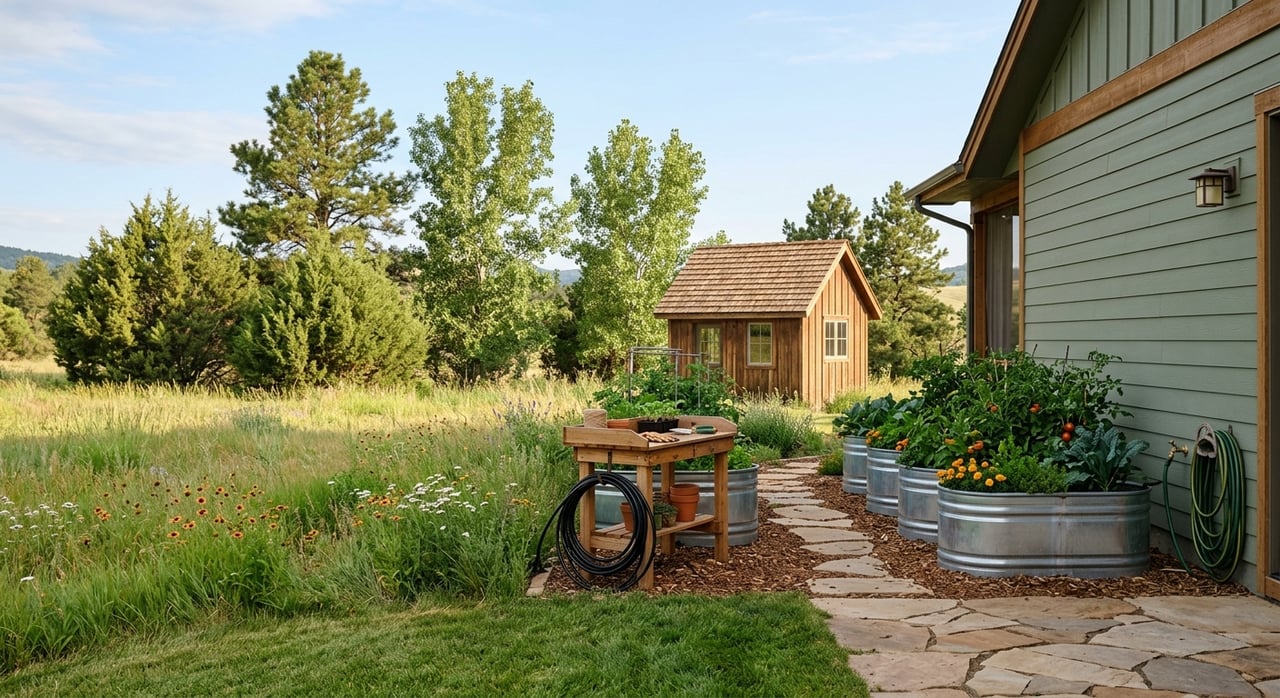
The little things are often what make acreage ownership feel real. Weed control, soil testing, irrigation checks, pruning, keeping well access clear, and watching for snow or vehicle damage around utility areas all add up over time.
None of these tasks are unusual on their own. The difference is that acreage tends to give you more of them, and they are spread across a larger space.
Is the extra work worth it?
For many buyers, yes. Acreage near Banner can offer a mix of privacy, scenery, flexibility, and recreation access that is hard to match on a smaller lot.
The nearby Bighorn National Forest recreation opportunities are a good example of why this area appeals to so many lifestyle-focused buyers. You can be close to scenic drives, wildlife viewing, hiking, horseback riding, camping, and winter recreation while still enjoying the independence that comes with owning your own piece of ground.
That said, the right fit depends on your expectations. If you want a low-maintenance property with minimal outdoor responsibilities, acreage may feel like too much. If you want room, privacy, utility, and a stronger connection to the landscape, it may feel exactly right.
What to check before you buy
If you are considering acreage near Banner, it helps to evaluate the property through a practical lens. The goal is not to avoid rural property. It is to understand what you are taking on.
Start with these questions:
- What is the water source, and is there recent test history?
- How old is the septic system, and when was it last serviced?
- What is the condition of the fencing?
- Is there irrigation infrastructure, and have the water rights been verified?
- What condition are the outbuildings in?
- How might winter snow, drifting, or access affect the driveway and structures?
You should also think about how you plan to use the land. A property that works well for simple residential living may be very different from one that supports animals, hay ground, equipment storage, or heavier year-round use.
How local guidance helps
Buying acreage is often less about square footage and more about knowing how to evaluate a property properly. You want to look beyond the views and ask the right questions about maintenance, utilities, access, and long-term use.
That is especially important if you are relocating from out of state or buying your first rural property. Local knowledge can help you understand what is typical in this part of Sheridan County and which details deserve extra attention during your search and due diligence.
If you are exploring acreage near Banner and want practical guidance at every step, Chad A Conley can help you evaluate properties with clear communication, local insight, and a steady, no-pressure approach.
FAQs
What is acreage ownership near Banner, Wyoming really like?
- Owning acreage near Banner usually means more privacy, open space, and outdoor access, along with more hands-on work like fence checks, water-system maintenance, seasonal yard or pasture care, and winter snow management.
What weather should acreage buyers expect near Banner?
- Nearby Sheridan climate data shows about 12.22 inches of annual precipitation, 71.8 inches of snowfall, cold winters, warm summers, and average wind speeds of 11.8 mph, which can affect access, maintenance, and seasonal property use.
What should buyers check on a Banner-area acreage property before making an offer?
- Buyers should review the water source and test history, septic age and service records, fence condition, irrigation setup, water-rights documentation, outbuilding condition, and how snow or drifting may affect winter access.
What should buyers know about fences on Wyoming acreage?
- UW Extension explains that Wyoming is a fence-out state for cattle, so if you want livestock kept off your property, fencing responsibility may fall on you, making fence condition and layout important parts of due diligence.
What should buyers know about private wells and septic systems on acreage near Banner?
- Private well owners are responsible for inspection and water-quality testing, and UW Extension recommends annual well testing plus septic pumping every three to five years.
Why do buyers choose acreage near Banner instead of an in-town property?
- Many buyers are drawn to acreage near Banner for privacy, room for equipment or animals, flexible land use, mountain views, and convenient access to recreation in and around Bighorn National Forest.