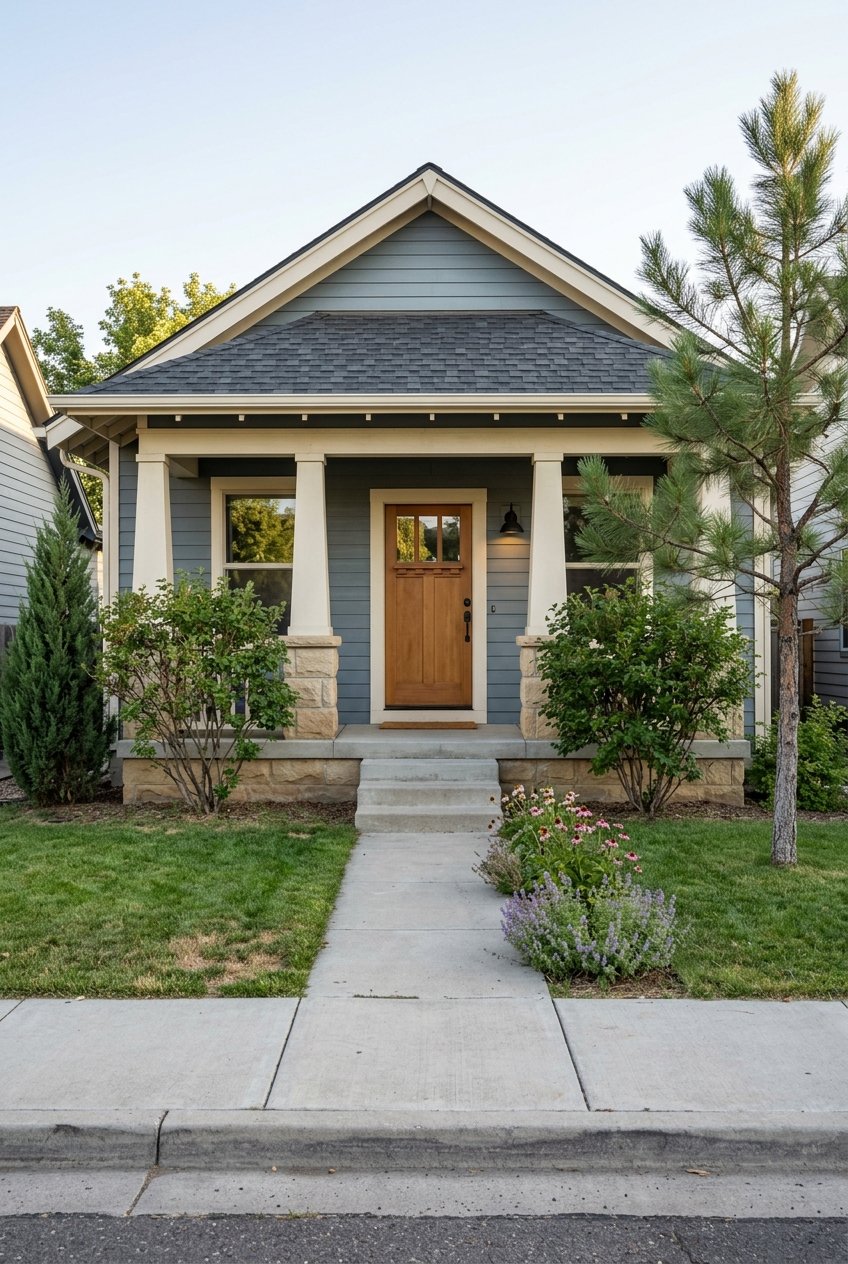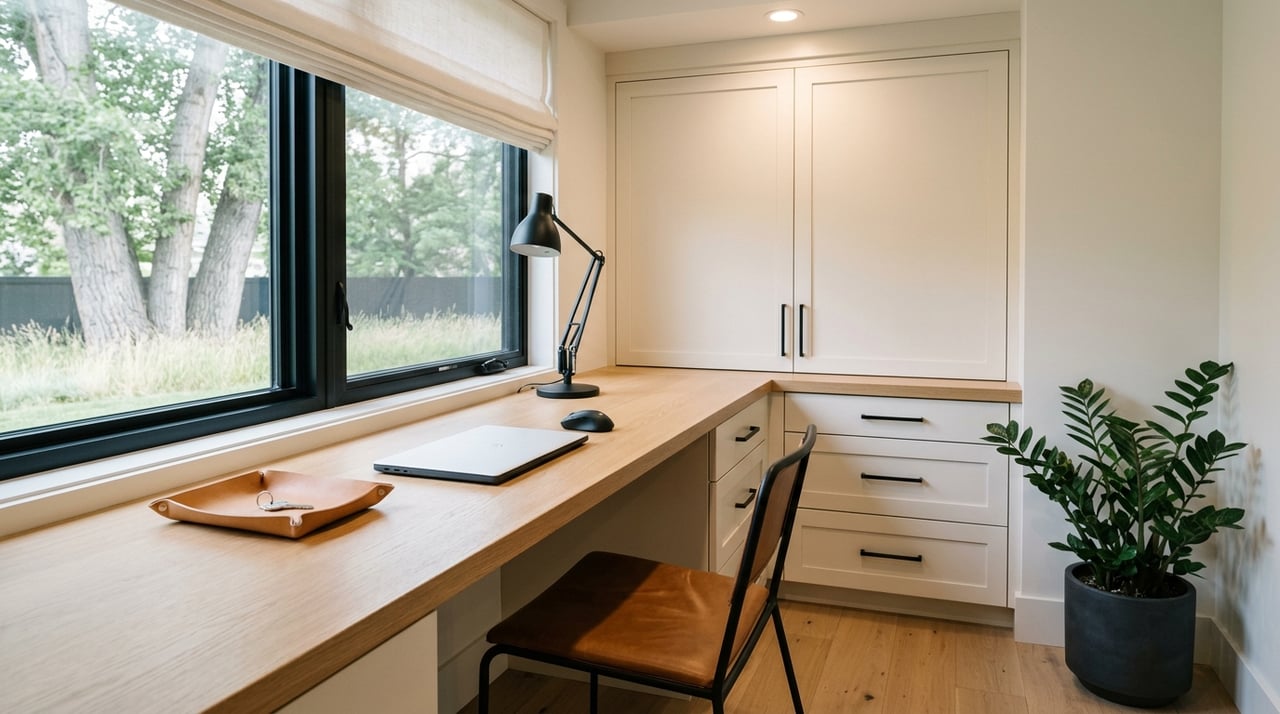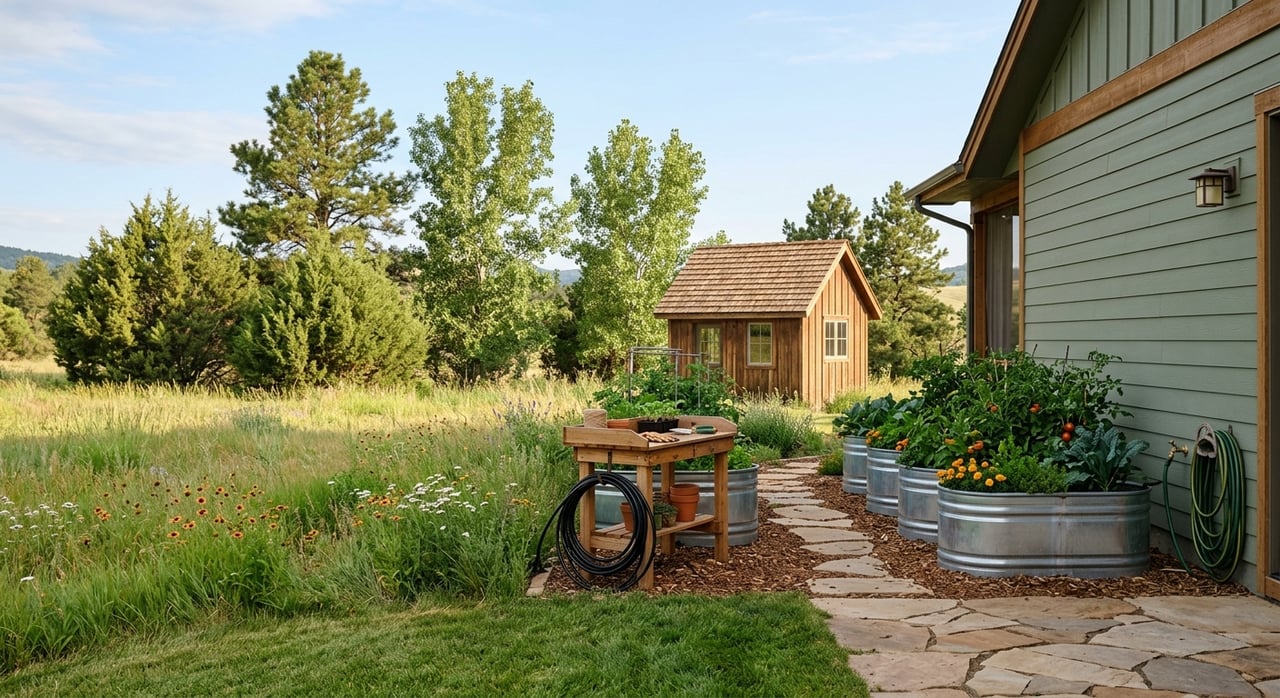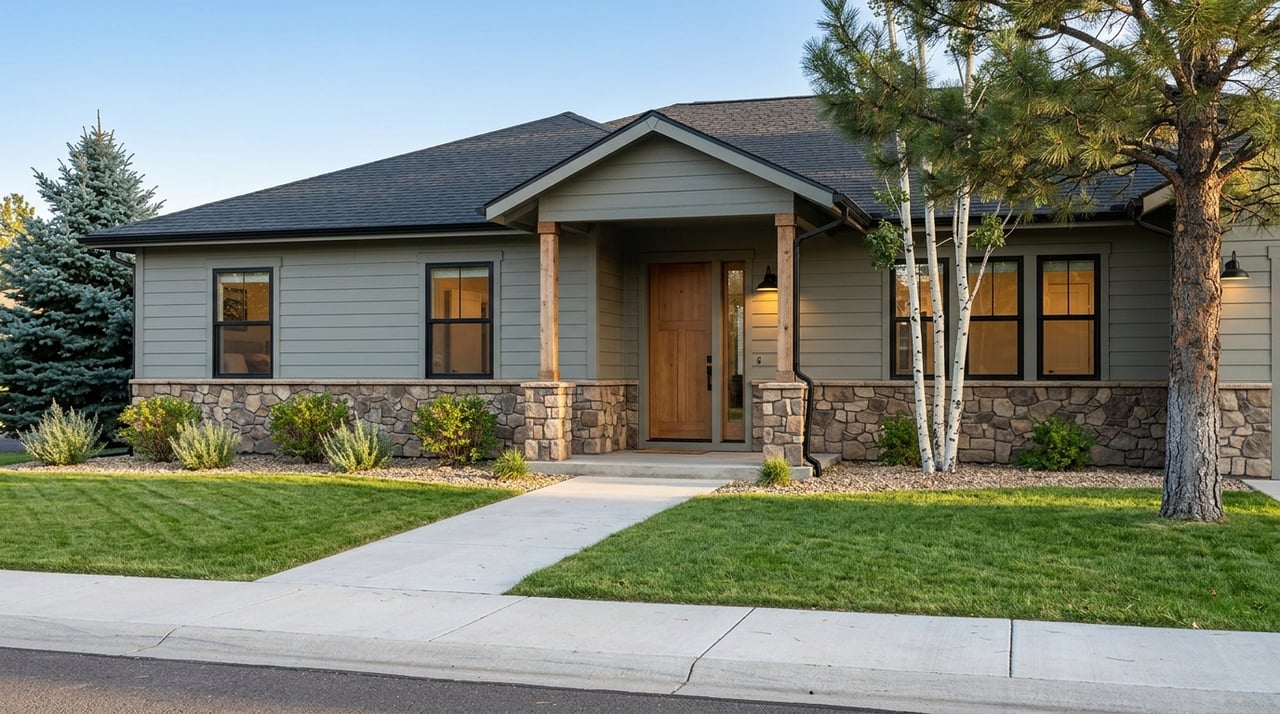
Buying a home in Sheridan without being here for every step can feel like a big leap. You want to move forward with confidence, but you also do not want to miss something important just because you are shopping from a distance. The good news is that remote home buying in Sheridan can work very smoothly when you pair digital tools with strong local support. Here is how the process typically works, what can be handled online, and where careful on-the-ground diligence still matters most.
Start With a Semi-Remote Search
Most remote purchases begin online, and that is completely normal. According to the National Association of Realtors, virtual tours can help you understand a home's layout and overall fit from anywhere, which makes them a useful first filter.
In practical terms, many buyers use a semi-remote approach in Sheridan. You can narrow your options through listing photos, virtual tours, video calls, and document review, then plan an in-person visit only for your top choices, the inspection period, or both. That approach can save time while still giving you a chance to confirm the property feels right.
Review Homes Carefully From Afar
When you are buying remotely, the goal is not just to see the home. It is to understand how it lives day to day. That means asking clear questions, reviewing disclosures carefully, and using video walkthroughs to look beyond the highlight photos.
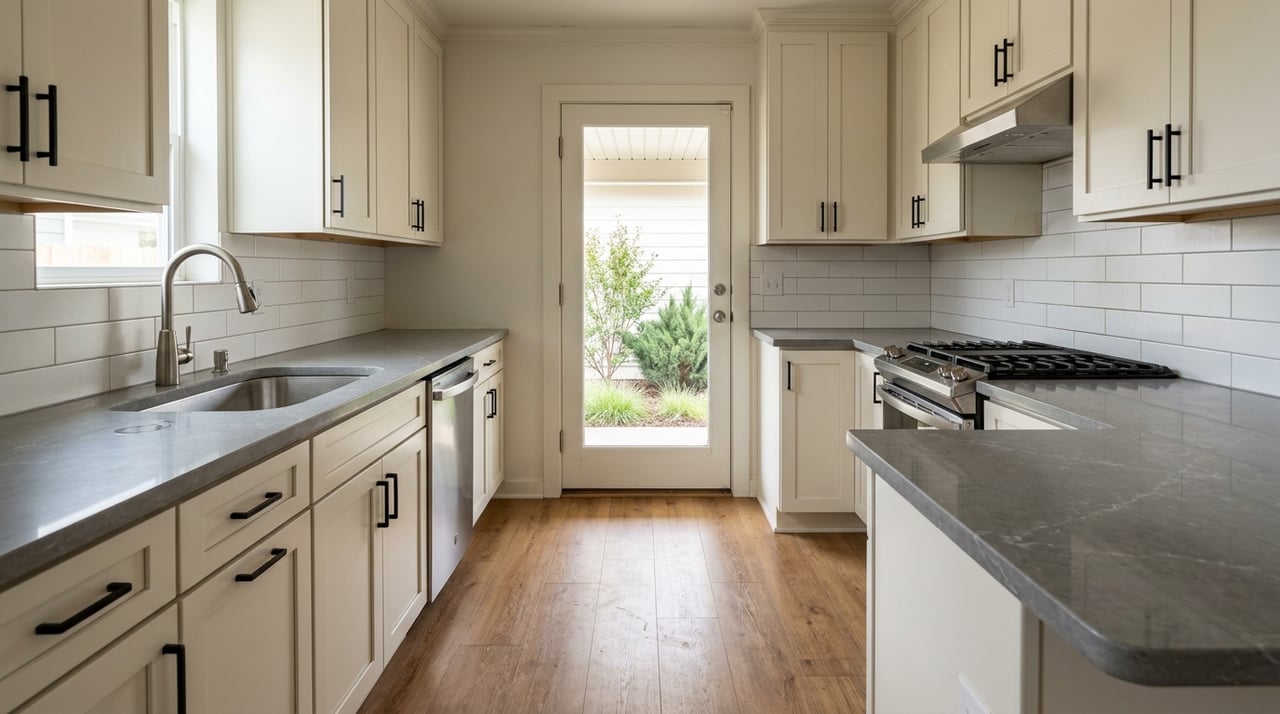
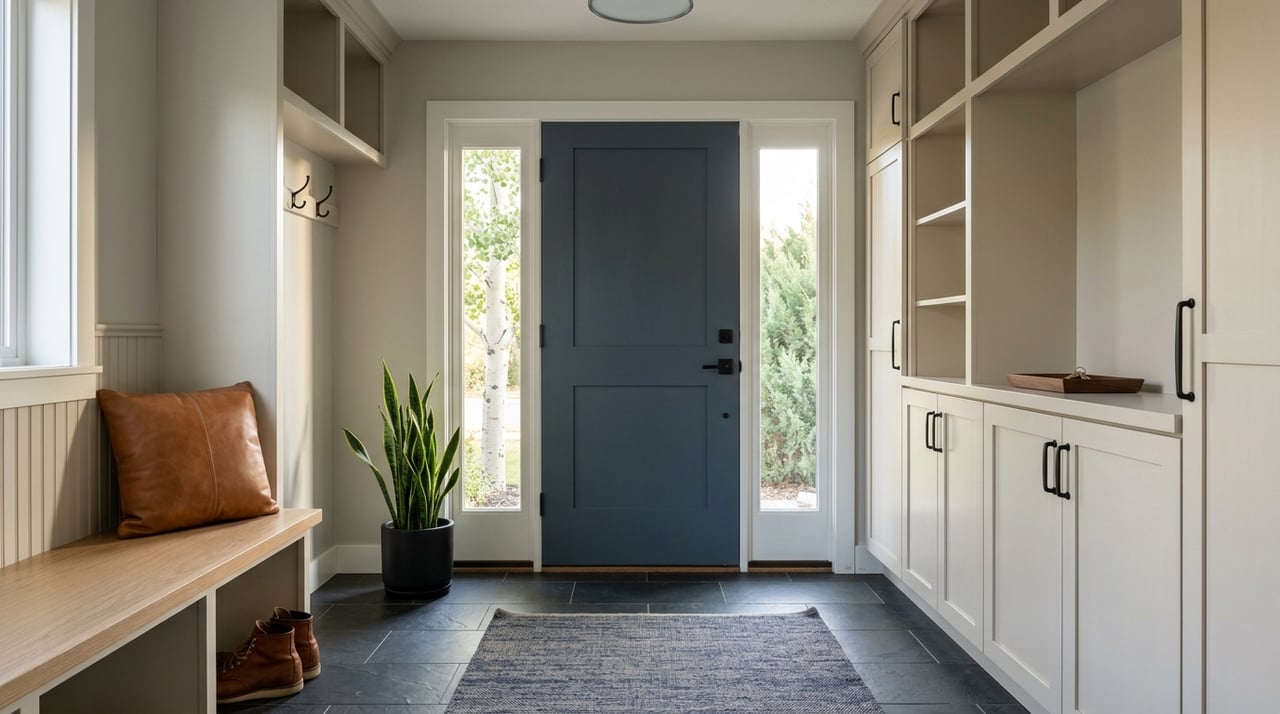
A good remote showing can help you evaluate things like room flow, natural light, storage, finishes, and how indoor and outdoor spaces connect. If you are comparing several homes in Sheridan, this step can help you make smarter decisions before you spend money on travel or inspections.
What To Focus On In Virtual Tours
When you review a home from a distance, pay attention to:
- Room sizes and layout
- Condition of major surfaces and finishes
- Window placement and natural light
- Garage, outbuildings, or storage areas
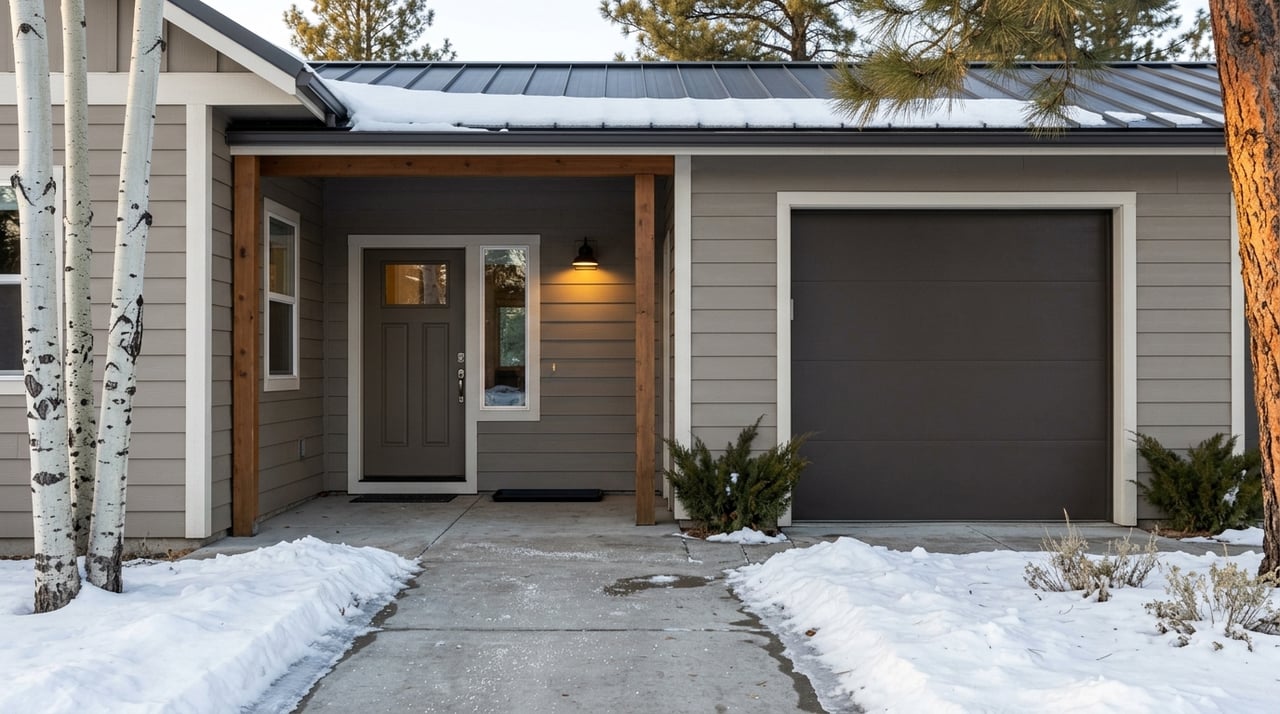
- Exterior condition and site layout
- Surrounding roads, access points, and nearby land uses
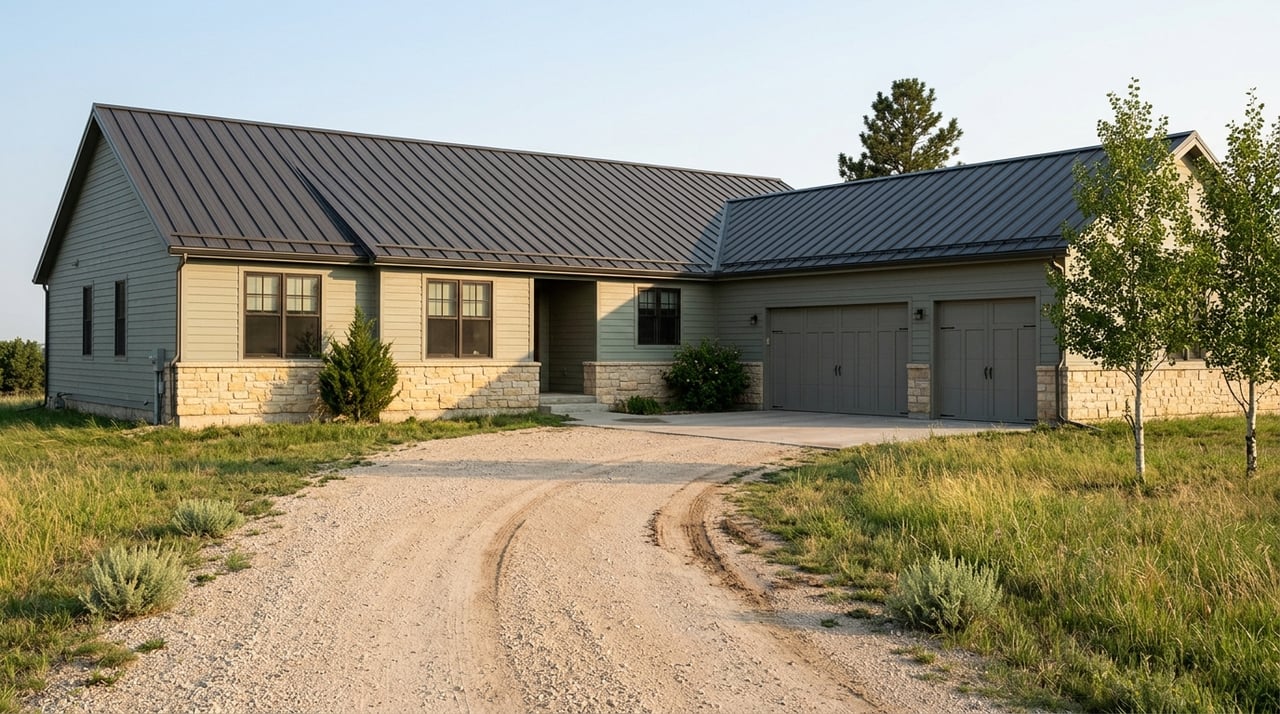
For acreage or lifestyle properties, photos alone may not answer every question. That is especially true if access, utilities, or land use are part of your decision.
Make An Offer Electronically
Once you find the right property, much of the offer process can usually happen digitally. Wyoming's Uniform Electronic Transactions Act allows electronic records and electronic signatures for covered transactions when the parties agree to do business electronically. The law also states that an electronic signature can satisfy a legal signature requirement.
That means you may be able to sign many purchase documents from wherever you are. At the same time, not every transaction is fully digital, so some deals may still involve a mix of paper and electronic steps. It is smart to expect flexibility rather than assume every document will be handled the same way.
Schedule The Inspection Early
If there is one part of remote home buying you should never treat as a formality, it is the inspection. The Consumer Financial Protection Bureau recommends scheduling your independent inspection as soon as possible, and it explains that the inspection is different from the appraisal.
That distinction matters. An appraisal helps the lender assess value, while an inspection helps you understand the property's condition. If your contract includes an inspection contingency, the CFPB notes that you may be able to renegotiate or cancel based on the results.
Why Inspection Matters Even More Remotely
When you are not walking through the home multiple times yourself, the inspection becomes one of your strongest reality checks. It can help confirm whether the home matches what you saw online and whether any repairs or maintenance issues need attention.
This is often the point where remote buyers feel the biggest value from a strong local team. Coordinating the inspection quickly, reviewing the findings clearly, and deciding what comes next can make the difference between a smooth transaction and a stressful one.
Understand Remote Notarization In Wyoming
Wyoming gives remote buyers helpful flexibility at the signing stage. The Wyoming Secretary of State explains that the state permanently allows both remote online notarizations and remote ink notarizations, although remote ink notarization is limited to acknowledgments only.
The same guidance says remote notarizations must be audio and video recorded. It also states that a notarization completed by electronic technology is considered performed in Wyoming and governed by Wyoming law, no matter where the signer is physically located.
For you, that can make closing logistics much easier if you are moving from another state or managing a tight timeline. You may be able to complete key notarized documents without traveling back to Sheridan just for a signature appointment.
Know How Recording Works In Sheridan County
After signing, your documents still need to move through the local recording process. The good news is that the Sheridan County Clerk and Recorder has accepted electronic land-record filings since May 1, 2017.
The office also lists e-recording vendors, which means the recording side of a transaction can often be handled without you going to the courthouse in person. This is one reason a remote closing in Sheridan is often very manageable when the title and closing process is organized well.
Why Local Title Support Still Matters
Even with e-signatures, remote notarization, and e-recording, local due diligence still matters. The Sheridan County Clerk and Recorder notes that the office handles land transactions and related filings, but it does not perform land-record research. Instead, buyers are directed to an attorney, title company, or researcher for deeper due diligence.
That is an important point for remote buyers. The digital side of the transaction may be convenient, but the human side, especially title review and document handling, is still essential.
Watch The Closing Timeline Closely
Remote buying works best when the timeline is clear. For mortgage closings, the CFPB says lenders must provide the Closing Disclosure at least three business days before the scheduled closing.
That three-day window gives you time to review your final costs, ask questions, and compare the numbers to what you expected earlier in the transaction. If something looks off, you want enough time to address it before closing day.
Protect Your Wire Transfer
Closing is also when fraud risk tends to rise. The CFPB warns that scammers often target buyers with spoofed emails and fake wiring instructions during the closing process.
For remote buyers, this is one of the most important practical rules: always verify wiring instructions by phone using a trusted number for your closing contact. Do not rely on last-minute email changes, and do not send funds until you have confirmed the details directly.
Plan For Taxes As Part Of Affordability
If you are relocating to Sheridan, make sure property taxes are part of your budget planning. According to the Sheridan County property tax guide, tax notices are mailed in September.
The guide states that half of the taxes are due on and after September 1 and payable on and after November 10. The second half is due on and after March 1 and payable on and after May 10 of the following year. If the full bill is paid by December 31, no interest or penalty is charged.
That timing is worth understanding before you close, especially if you are comparing monthly payment scenarios or buying a home with more land. The county guide also explains that tax liability is tied to assessed value and the mill levy, so taxes should be part of your full affordability review, not an afterthought.
Be Extra Careful With Rural Properties
Sheridan includes in-town neighborhoods, but it also includes homes with acreage, outbuildings, and more rural settings. If you are buying outside the city's core grid, the county's resources for Planning, Engineering, Building in the County, and Dividing Land are a reminder that you should verify details before relying on photos alone.
That does not mean every rural purchase is complicated. It does mean you should ask more questions about access, utilities, and land-use issues when evaluating a property from afar.
Smart Questions For Acreage Buyers
If you are considering rural or semi-rural property in Sheridan County, make sure you verify:
- Road access and maintenance details
- Utility availability and service setup
- Any land-use or building questions
- Survey, plat, or boundary-related documents
- Whether the property layout matches your intended use
These checks matter in any purchase, but they matter even more when you have not spent much time on site.
What Remote Buying In Sheridan Really Looks Like
In most cases, remote home buying in Sheridan is not fully hands-off. It is better described as digital where possible, local where it counts. You can search, tour, sign, and often close from a distance, but success still depends on careful inspection coordination, title review, closing preparation, and clear communication.
That balanced approach tends to work well for relocations, second-home buyers, and anyone trying to limit travel while still making a confident decision. If you go in with the right expectations, the process can feel much more manageable than many buyers expect.
If you are planning a move and want steady, local guidance through each step, Chad A Conley can help you navigate Sheridan home buying with clear communication, practical advice, and support from search through closing.
FAQs
How does remote home buying work in Sheridan, Wyoming?
- In Sheridan, you can often search for homes with virtual tours and video calls, sign many documents electronically, use remote notarization when needed, and complete recording through local e-recording systems, while still coordinating inspection and title work locally.
Can you buy a home in Sheridan without coming in person?
- In many cases, you can handle most of the process remotely, but buyers often still choose to visit for a top-choice showing, inspection period, or final confirmation before closing.
Are electronic signatures legal for home purchases in Wyoming?
- Yes. Wyoming's Uniform Electronic Transactions Act allows electronic records and electronic signatures for covered transactions when the parties agree to do business electronically.
Can closing documents be notarized remotely in Wyoming?
- Yes. Wyoming allows remote online notarizations and remote ink notarizations for certain acts, and the state requires those remote notarizations to be audio and video recorded.
What should remote buyers in Sheridan check before closing?
- Remote buyers should pay close attention to the inspection, title review, Closing Disclosure, wire instructions, recording status, and expected property-tax obligations.
What matters most when buying acreage near Sheridan remotely?
- For acreage or semi-rural properties, it is important to verify access, utilities, land-use questions, and property records instead of relying only on listing photos or maps.