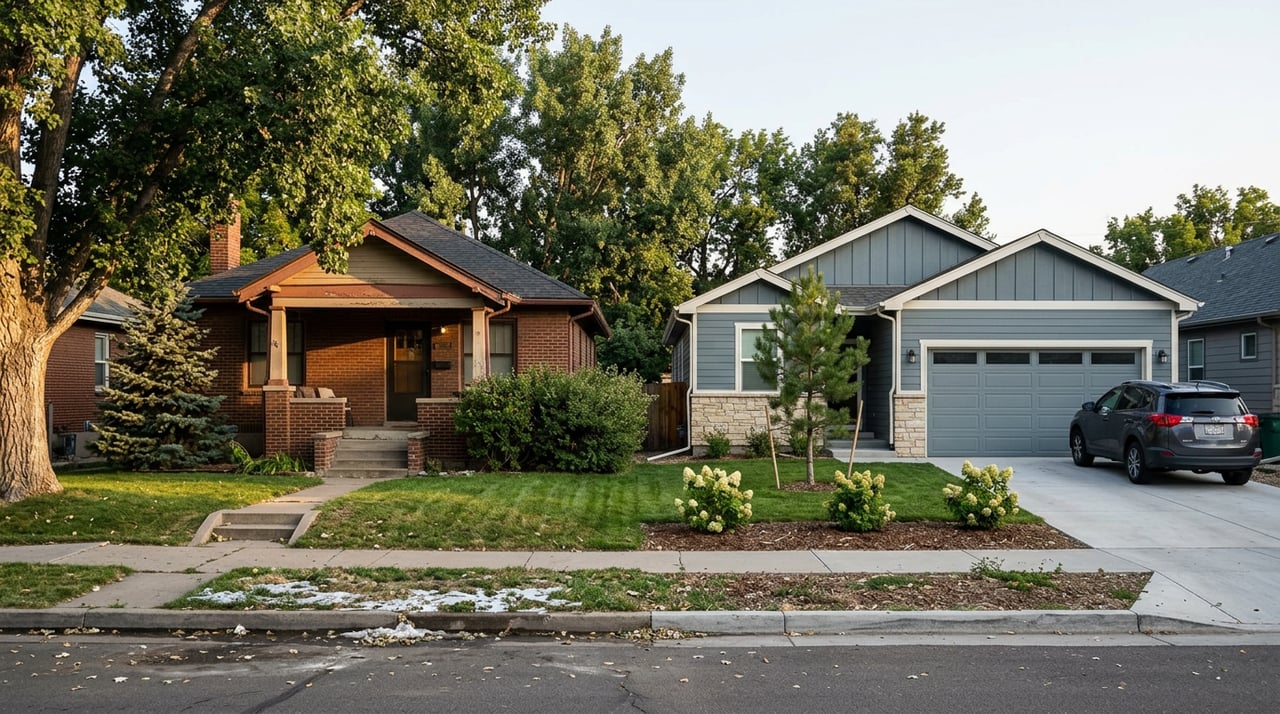
Trying to decide between a newer subdivision on the edge of Sheridan or an older street close to downtown? You are not alone. Each option offers a different daily rhythm, from lot size and layout to walkability and maintenance. In this guide, you will learn the clear differences so you can pick the fit that matches your lifestyle and budget. Let’s dive in.
New Sheridan subdivisions: what to expect
Street layout and lot sizes
Most newer neighborhoods in Sheridan are planned with curving streets and cul-de-sacs that limit through traffic and support privacy. Many are part of larger plats with consistent design standards and room to orient homes toward mountain views. The City and County housing needs report lists several active and recent projects — including Morrison Ranch, Hidden Bridges in the Cloud Peak area, Riverstone Park, StoneRidge Meadows, and The Crossing — with typical single-family lots ranging from about 6,300 to 13,280 square feet depending on the phase and project. You can see those ranges summarized in the County’s lot inventory tables in the housing report for Sheridan County.
Newer projects often emphasize space and consistency. For example, lots in Morrison Ranch Phase I were advertised around 6,300 to 13,280 square feet, and Hidden Bridges targeted about 6,500 to 12,000 square feet, according to the County inventory. Some communities position larger sites or specialty settings, while others focus on mid-size lots with modern home plans. For specific ranges and counts by subdivision, review the City and County housing needs report that catalogs local plats and sizes.
Homes, infrastructure, and HOAs
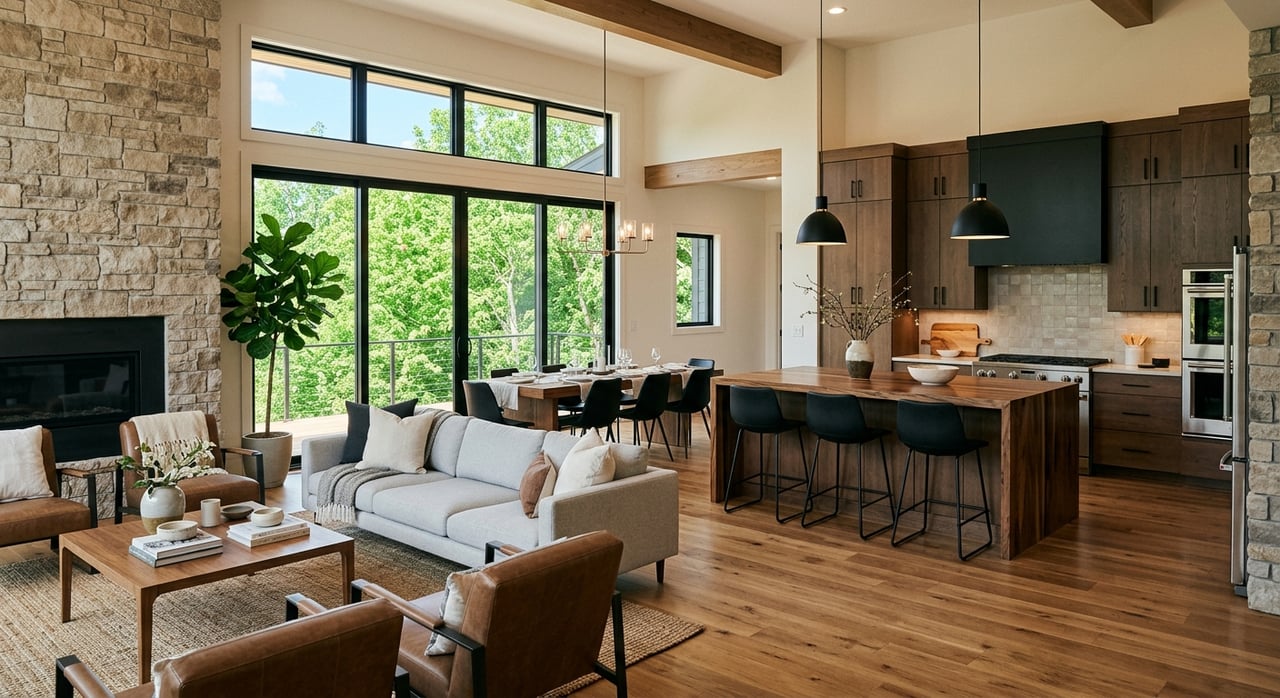
Builders in newer Sheridan subdivisions typically deliver homes with open layouts, attached garages, energy-code-compliant systems, and modern kitchens. Many projects highlight brand-new infrastructure such as paved roads, municipal water and sewer, and in some cases fiber-ready broadband. Several amenity communities and golf-oriented neighborhoods operate with covenants, design review, and HOAs that guide exterior standards and shared-area upkeep. You can see examples of these subdivision features and HOA structures summarized on local builder and community pages that market Sheridan-area developments.
Established in-town streets: what to expect
Street pattern and daily access
Older Sheridan neighborhoods follow a traditional grid with shorter blocks, sidewalks, and many intersections. This pattern generally supports more direct walking routes to groceries, restaurants, weekly events, and parks. Planning literature connects higher street connectivity with more walkable trips and shorter distances for daily needs. In practice, that means you can often stroll to downtown destinations like Kendrick Park and Whitney Commons with fewer detours.
Nearby amenities are part of the appeal. Kendrick Park offers trails, a seasonal pool, and community gathering spaces, and Whitney Commons hosts a farmers market and community events during the season. If you value leaving the car at home for quick errands, the older grid pattern and downtown adjacency can make a real difference.
Home age, character, and upkeep
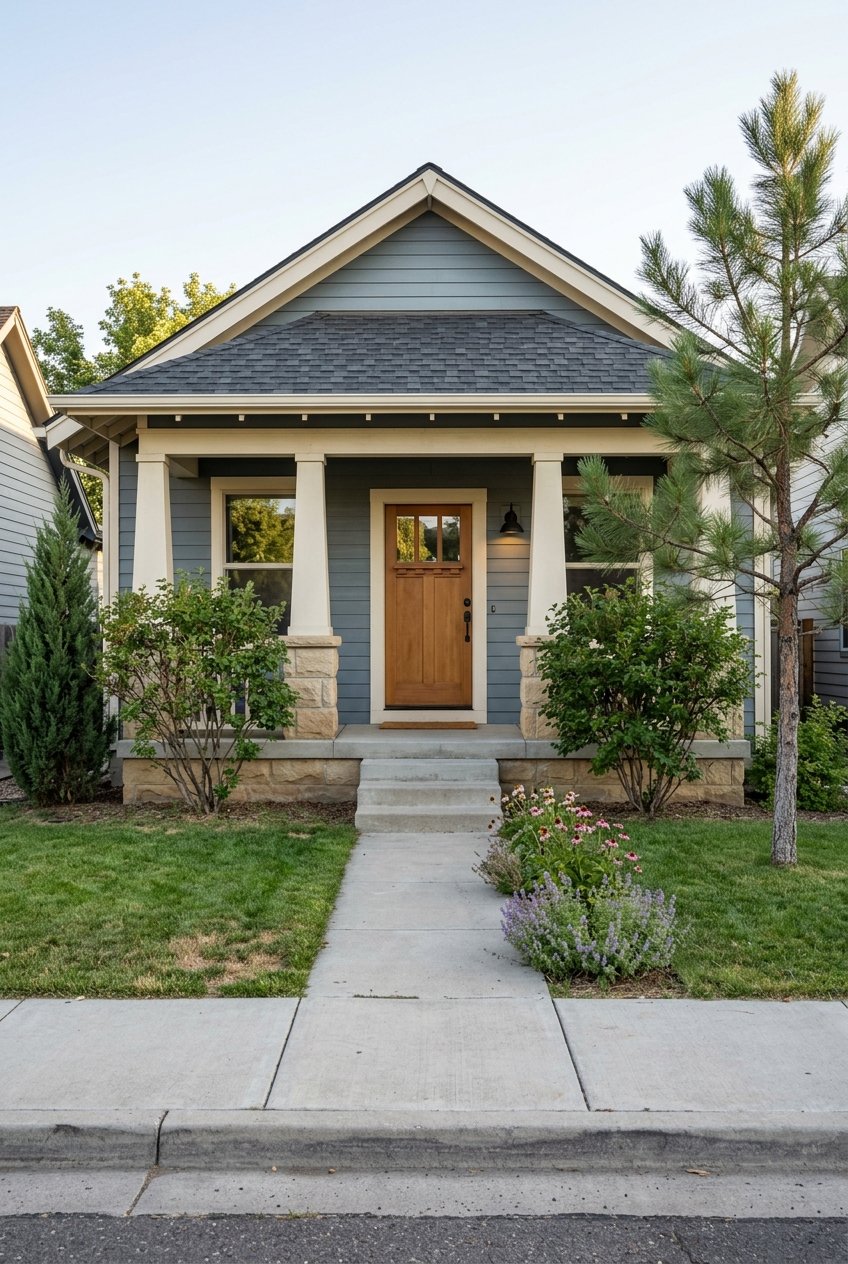
Sheridan’s housing stock is mixed in age, with a citywide median year-built around 1972 based on local planning data. That range includes truly historic homes near the core as well as mid-century and later infill. Many older homes feature porches, mature trees, and established landscaping. With that character comes practical considerations. When you shop older properties, plan for targeted inspections and potential updates to major systems such as electrical, plumbing, roofing, and insulation. A thoughtful inspection scope and budget can keep your purchase on track.
Key tradeoffs at a glance
Space and privacy
- Newer subdivisions: Larger, more uniform lots with room for outdoor living and views. More privacy due to curvilinear streets and cul-de-sacs.
- Older in-town: Smaller, more irregular lots that are easier to maintain and often shaded by mature trees.
Rules and flexibility
- Newer subdivisions: More likely to include covenants and HOA design standards that protect consistency but may limit exterior choices.
- Older in-town: Fewer neighborhood-wide restrictions, but always review city codes and any property-specific rules before you buy.
Connectivity and errands
- Newer subdivisions: Typically minutes by car to Main Street and services, but daily errands are usually a drive due to lower street connectivity.
- Older in-town: Shorter, more direct walks to shops, parks, and community events thanks to the grid pattern and central location.
Utilities and infrastructure
- Newer subdivisions: Modern streets, water, sewer, and sometimes fiber-ready internet are common.
- Older in-town: Established municipal services, with variations by block and era. Confirm the age and condition of service lines during due diligence.
Maintenance and long-term costs
- Newer subdivisions: Newer systems and builder warranties can lower early maintenance. Larger yards may increase landscape time and cost.
- Older in-town: Smaller yards cut lawn care time, but aging home systems may require upgrades over time.
How location shapes daily life in Sheridan
Your address decides more than your commute. In-town homes put you close to Main Street activities, weekly markets at Whitney Commons, and park programs at Kendrick Park. That proximity can streamline daily routines, especially if shorter walks matter to you.
Edge-of-town subdivisions trade walkability for elbow room. Many are marketed as only a short drive to downtown while offering bigger lots, calmer streets, and sightlines to the Big Horns. For many buyers, the choice is between easy access on foot and more private, planned settings by car. Neither is better for everyone. The right pick depends on the rhythms you want each day.
Sheridan buyer checklist
Use this quick list to compare a specific property in a newer subdivision with an older in-town home. Ask for documents up front and verify details before you write an offer.
- Lot size and orientation
- Confirm square footage, setbacks, and any view corridors. The City and County housing needs report summarizes advertised lot ranges for key subdivisions.
- Infrastructure and utilities
- Verify who maintains the roads, whether water and sewer are municipal, and if broadband is available at the address. The City’s engineering documents outline standards for public improvements.
- Covenants, HOA rules, and fees
- Request CC&Rs, design guidelines, and HOA financials. Amenity communities often have active design review and monthly or annual dues that affect your budget.
- Walkability and access
- Map actual walking routes to the closest park, grocery, or Main Street stop. Research links higher street connectivity with shorter pedestrian trips, which older grids usually support.
- Age of major systems and inspection scope
- For older homes, prioritize inspections for roof, electrical, plumbing, HVAC, and insulation. Build a repair and update budget based on findings to avoid surprises.
- Maintenance commitments
- Larger lots often mean more landscape time and irrigation costs. Ask about any required landscaping standards in covenant communities.
- School boundaries and commute patterns
- Confirm current school assignments through official district maps and test peak-hour drive times from the property to your regular destinations. Local planning documents can help frame where new growth is occurring.
- Resale context and future supply
- Review recent comparable sales and scan local land-supply tables to understand how upcoming plats might affect future inventory near your target area.
Ready to compare homes?
If you are weighing a larger-lot subdivision against an older in-town street, I am here to help you sort the tradeoffs with clear facts and a calm plan. From mapping walk times to reviewing CC&Rs and inspection scopes, I will guide you step by step so you can buy with confidence. When you are ready, reach out to Chad A Conley to start your search.
FAQs
What are typical lot sizes in newer Sheridan subdivisions?
- City and County housing reports show many newer single-family lots marketed in the roughly 6,300 to 13,280 square foot range depending on the project and phase.
Are newer Sheridan neighborhoods more walkable than in-town streets?
- Usually not. Older grid streets provide shorter, more direct walking routes to downtown amenities, while newer subdivisions favor curving streets and cul-de-sacs that reduce connectivity.
Do newer subdivisions in Sheridan have HOAs and covenants?
- Many do, especially amenity and golf-oriented communities. Expect design standards and regular dues that cover common-area upkeep and guidelines for exterior changes.
What upkeep should I plan for with an older in-town home?
- Budget for targeted inspections and potential updates to roofing, electrical, plumbing, HVAC, and insulation based on the age and condition of the home.
How close are new subdivisions to downtown Sheridan?
- Most are a short drive from Main Street. Daily errands typically require driving, while in-town homes often allow you to walk to parks, shops, and events.