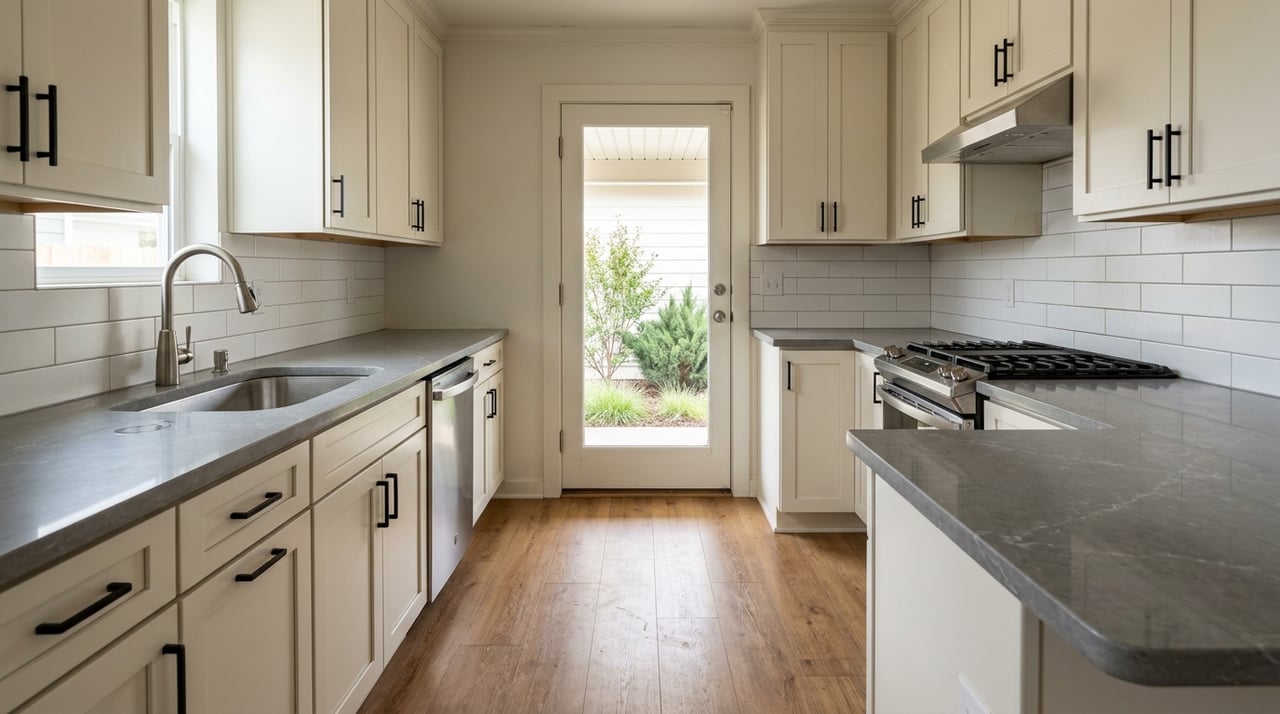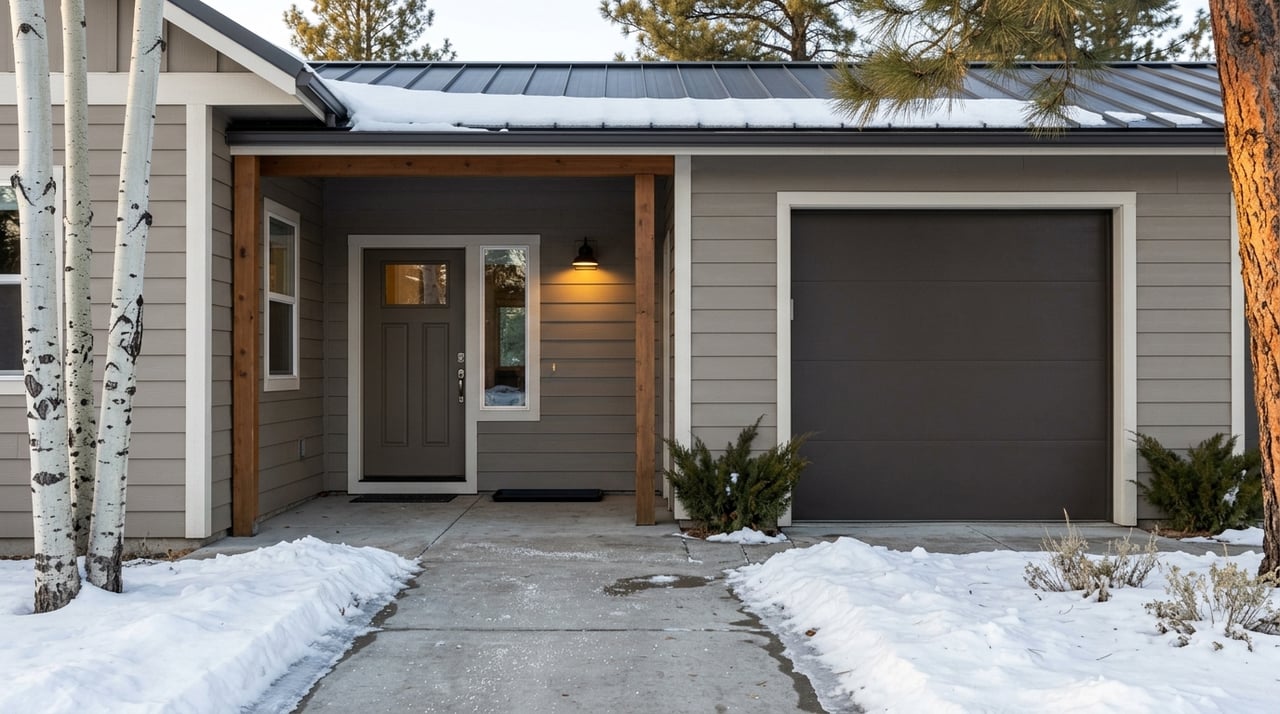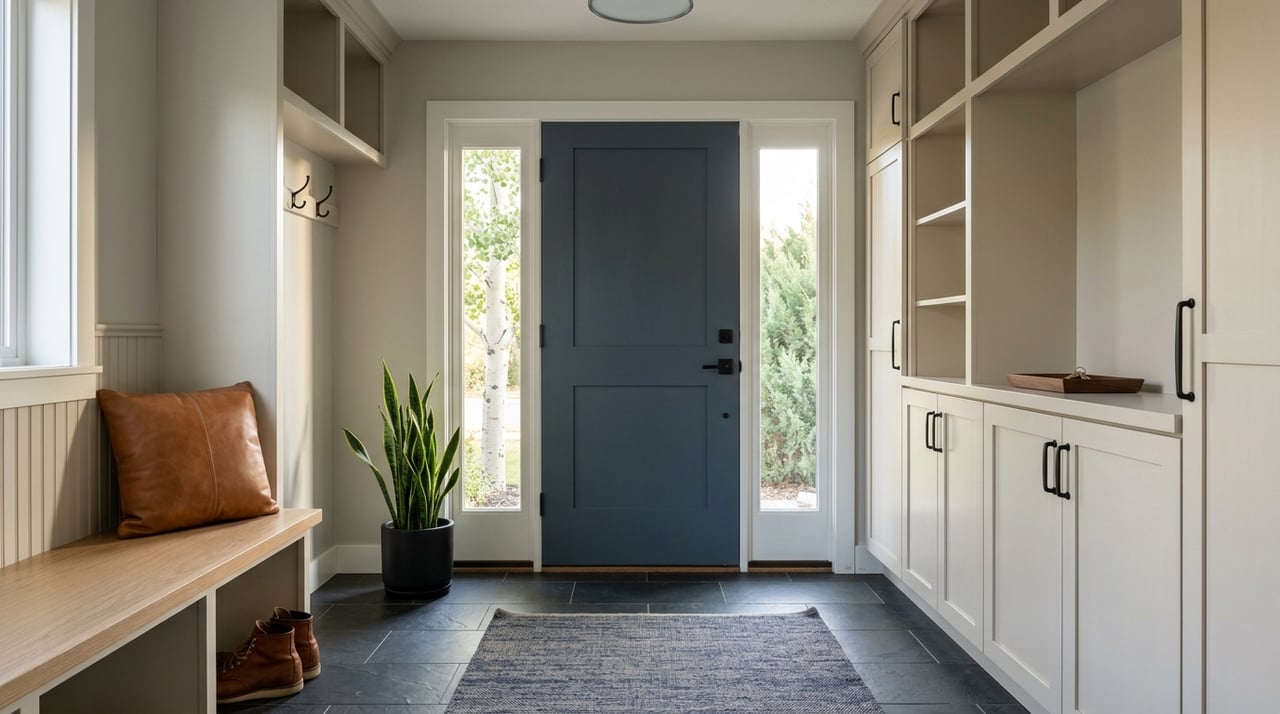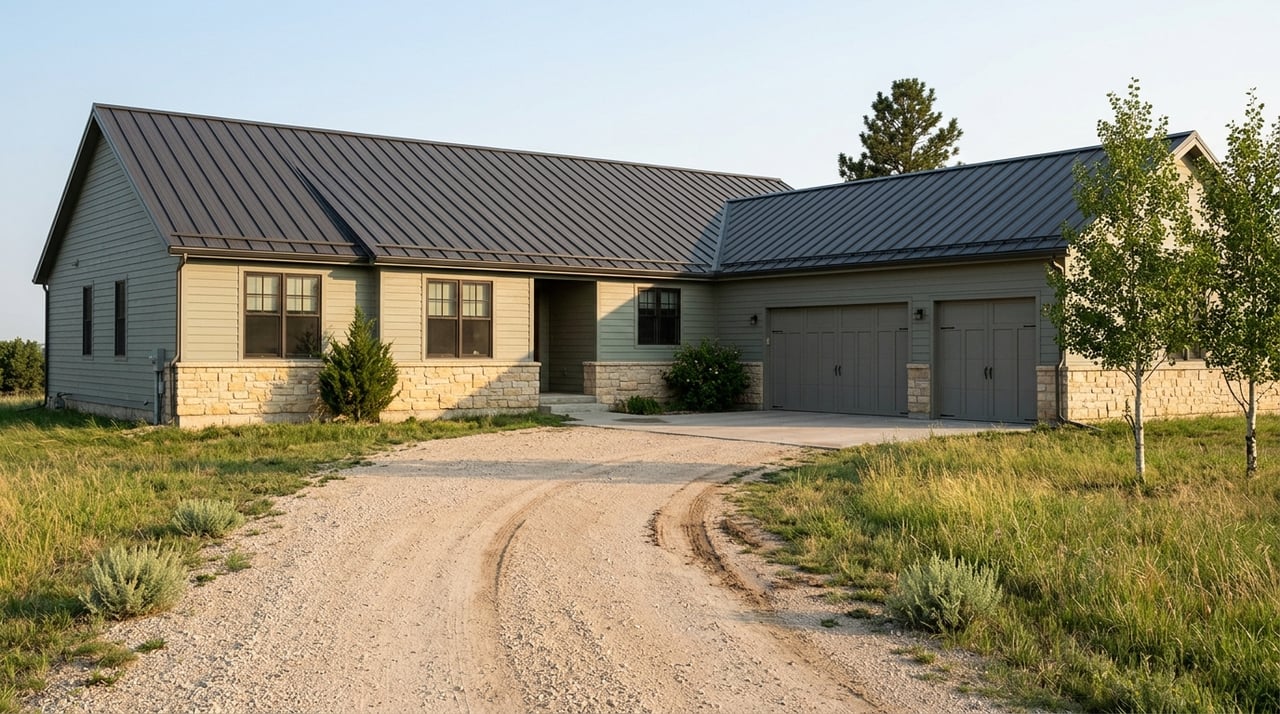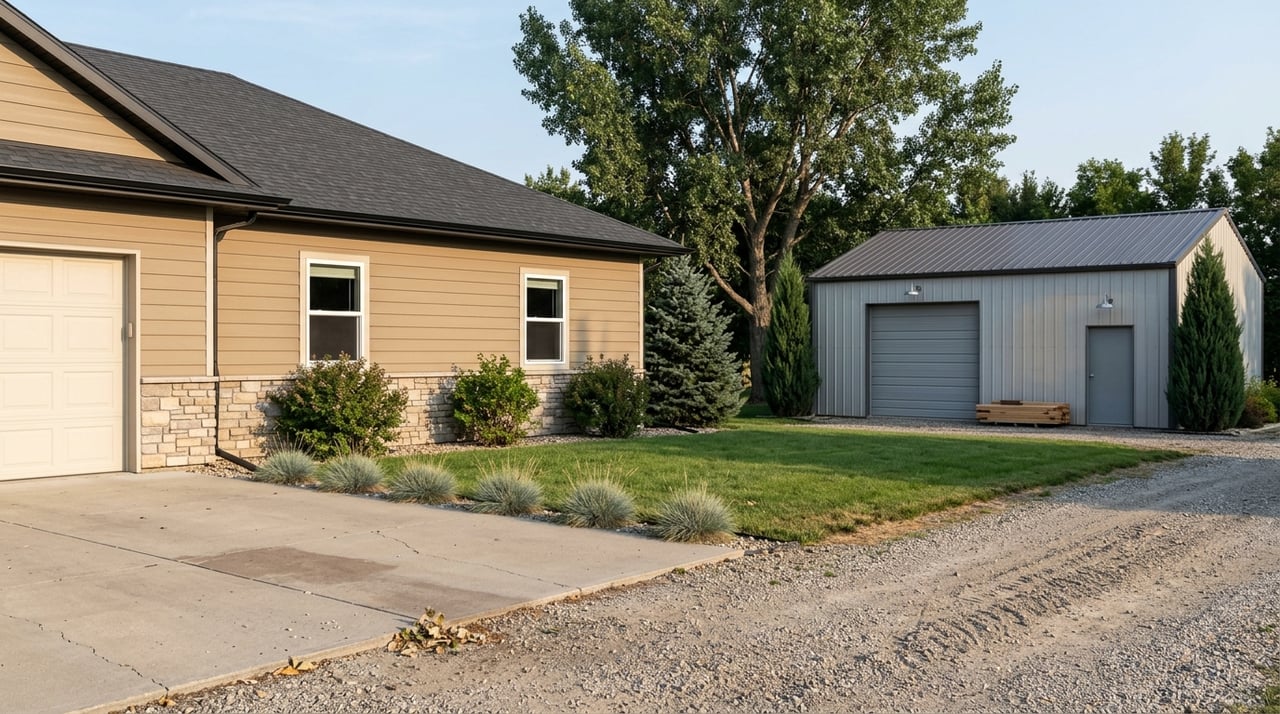
Need room for tools, projects, gear, or a creative setup? In Sheridan, finding a home with hobby space can be exciting, but it also takes more than spotting the word "shop" in a listing. You need to know how the property is classified, whether the extra space fits your plans, and what questions to ask before you commit. This guide will help you look at homes in Sheridan with more confidence, so you can focus on what really fits your lifestyle. Let’s dive in.
Why hobby space matters in Sheridan
A lot of buyers in Sheridan are not just looking for another bedroom or a bigger kitchen. You may want room for woodworking, vehicles, equipment storage, art, gardening supplies, or a flexible work-from-home setup. In a market like Sheridan, that kind of usable extra space can be a major part of a home’s value.
Sheridan is also a city with steady growth and a strong ownership base. The U.S. Census Bureau reports an estimated city population of 19,813 as of July 1, 2024, up 5.7% from 2020, with a 62.1% owner-occupied housing rate. That gives you a helpful starting point if you are weighing whether to rent, buy, or move up into a property that offers more flexibility.
Recent housing data also shows why extra-space homes get attention. Redfin’s Sheridan market snapshot reported a February 2026 median sale price of $367,450 and average days on market of 50, while Zillow reported a typical home value of $425,574, 219 homes for sale, and a median list price of $378,333. The numbers vary by source, but the takeaway is similar: homes with practical, well-finished hobby space often compete in the higher end of the local range.
Know the difference between city and county
One of the first questions to ask is simple: is the property inside Sheridan city limits or out in Sheridan County? That can shape what kind of lot you find, what type of outbuilding is common, and what kind of flexibility may be available.
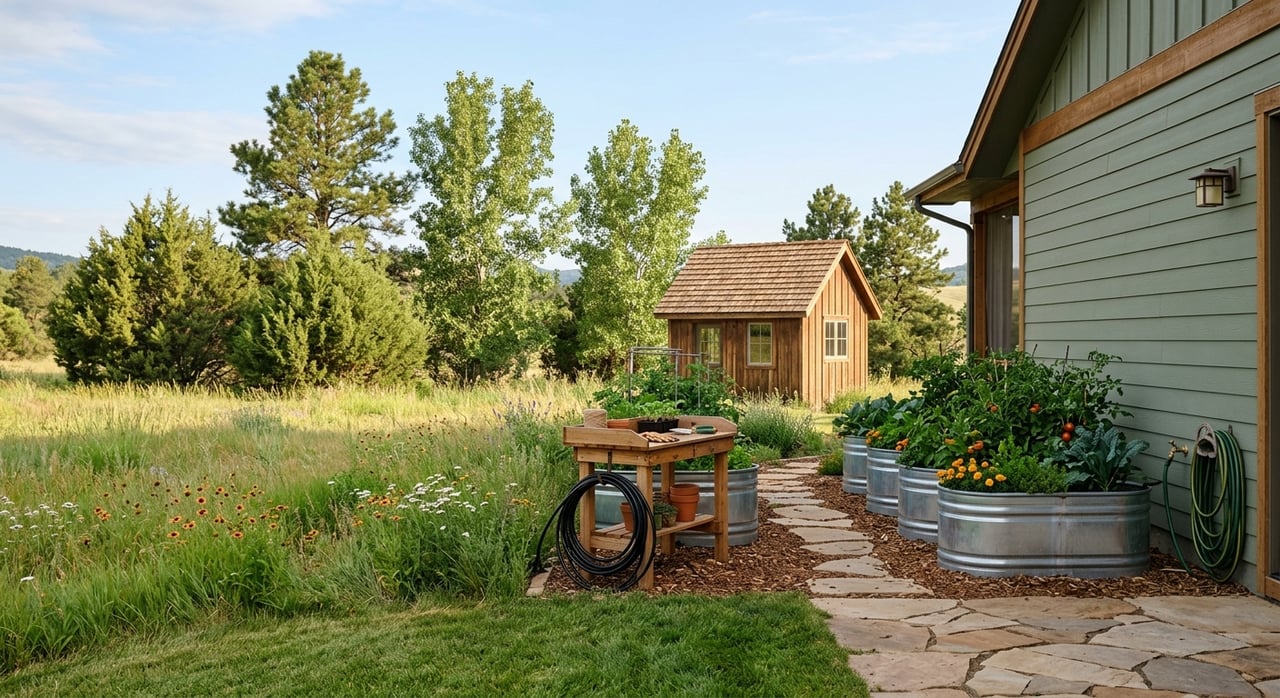
Within the city, you are more likely to see standard residential lots with detached garages, accessory buildings, or smaller shops. In the county, larger parcels are more common, and that often opens the door to barns, equipment storage, or more expansive hobby setups. According to the Sheridan County comprehensive plan appendix, summarized minimum lot sizes ranged from 6,000 square feet in urban residential areas with central water and sewer to 35 acres in rural residential districts.
That does not mean every county property will fit every hobby. It does mean your search strategy should change depending on whether you want a detached garage in town, a shop on the edge of town, or a more rural property with room for equipment, storage, or hobby-farm use.
What listing language really means
When you browse listings, the wording matters. Terms like shop, garage, barn, outbuilding, and acreage can all point to useful extra space, but they do not always mean the same thing.
In Sheridan city code, an accessory building is a subordinate building incidental to the main building. A private garage is defined as a detached accessory building or part of the main building designed to store no more than three privately owned vehicles, with no repairing or equipping of vehicles. That distinction matters if you are picturing more than simple storage.
So if a listing mentions extra structures, it is smart to slow down and ask follow-up questions. A detached building may be perfect for storage, but not ideal for heated workshop use, heavy equipment, or a changing long-term plan.
Ask practical questions about the structure
Once a property catches your eye, the next step is to look beyond square footage. The real value of hobby space is in how usable it is day to day.
Here are a few of the most important questions to ask:
- How large is the extra building?
- Is it heated?
- Does it have enough electrical service for your intended use?
- Is water available?
- How is drainage handled around the structure?
- Is there easy vehicle access year-round?
- Does the layout still work if your hobby changes later?
These details can make a huge difference. A detached shop with power and heat may serve you well for years, while an unheated outbuilding with limited access may be better suited only for basic storage.
Check permits before you assume flexibility
This is one of the biggest issues buyers overlook. Just because a shop, garage, or outbuilding exists does not automatically mean it was built with the approvals you would expect today, or that future changes will be simple.
The City of Sheridan building permit page states that any building project over $3,000 in cost or any new building over 200 square feet requires a building permit. Structural work, additions, and new residential or commercial projects also go through plan review. If you are buying a home because of the extra building, you want to know whether that space is already permitted and whether your future plans would trigger additional review.
That is especially important if you are thinking about upgrading the structure after closing. Adding insulation, extending utilities, expanding a slab, or reworking the interior may involve more than a simple weekend project.
Hobby space is not always business space
Some buyers want a home that supports both personal hobbies and some kind of home-based work. That can work in the right setting, but you should be careful not to assume the rules are broad.
Sheridan city code defines a home occupation narrowly. It must be conducted entirely within a dwelling, carried on by the occupants, incidental to residential use, and limited to one identification sign of no more than one square foot with no exterior display indicating business use. In simple terms, a desk-based office is more likely to fit that definition than an operation centered on a detached shop, visible inventory, or regular customer traffic.
The city also says it does not issue general business licenses, so you should not treat a residential property as automatically cleared for a business use. The key checks are zoning, building requirements, and any state-level licensing tied to the activity.
County properties can offer different tradeoffs
If your goal is more land, bigger outbuildings, or room for equipment, county properties may be worth a closer look. Sheridan County planning documents describe a more rural framework, where home occupations are defined within the home or dwelling and commercial development outside communities is generally limited to small-scale agricultural uses, home occupations, resource extraction, and recreational activities.
That county context helps explain why buyers often look outside city limits for barns, detached shops, equipment storage, or hobby-farm setups. Based on the county planning documents, larger-lot use is clearly more common in the county than in the city. Still, each property needs its own due diligence.
Think carefully about utilities and site conditions
A hobby property is not just about the building. It is also about the systems that support it. This is especially true outside city limits.
The Sheridan County comprehensive plan appendix notes that groundwater protection is a major issue, septic systems are a key contamination risk, and about one-third of county residents use well and septic service. If you are considering a rural property, that means water, wastewater, drainage, and future expansion potential should all be part of your review.
Before closing, it is smart to understand whether the property has municipal water and sewer or well and septic, whether utility capacity supports your plans, and whether the lot layout leaves room for setbacks and access. Those are not small details. They can affect cost, convenience, and what the property can realistically support over time.
A simple checklist for Sheridan buyers
If you are searching for a Sheridan home with hobby space, use this checklist to stay focused:
- Confirm whether the home is in the city or county.
- Identify how the extra space is described: accessory building, detached garage, shop, barn, or outbuilding.
- Ask whether the structure was permitted.
- Clarify whether your intended use is personal hobby space, storage, or a home occupation.
- Review utility details, including electric, water, sewer or septic, heat, and drainage.
- Ask about easements, setbacks, or HOA rules if they apply.
- Think ahead about resale and whether the layout will still work if your needs change.
This process can help you avoid falling in love with a space that looks great online but creates problems later. It also helps you compare properties more clearly, especially when two homes seem similar on paper but offer very different real-world flexibility.
The right property fits your life now and later
The best hobby-space home is not always the one with the biggest outbuilding. It is the one that matches how you plan to live, what you want to do in the space, and what the property can reasonably support. In Sheridan, that means balancing market value, lot type, permits, utilities, and long-term usability.
If you want a clear, low-pressure way to sort through those details, working with a local guide can save you time and frustration. Chad A Conley helps buyers across Sheridan and nearby communities look past marketing language, ask the right questions, and move forward with confidence.
FAQs
What should I look for in a Sheridan home with hobby space?
- Focus on the type of extra building, its size, utilities, access, permit status, and whether the property is in the city or county.
Can a detached shop in Sheridan be used for a home business?
- Not automatically. Sheridan city code defines home occupation narrowly, and uses centered on a detached shop or visible business activity may not fit that definition.
Do outbuildings in Sheridan require permits?
- In the City of Sheridan, any new building over 200 square feet or projects over $3,000 in cost require a building permit, and structural work may also need plan review.
Are county properties around Sheridan better for barns and larger shops?
- County properties often offer larger lots and a more rural setup, which can make barns, equipment storage, and larger detached buildings more common than in the city.
What utility issues matter for rural hobby properties near Sheridan?
- Water, sewer or septic, electric capacity, drainage, access, and room for setbacks all matter, especially on properties using well and septic systems.