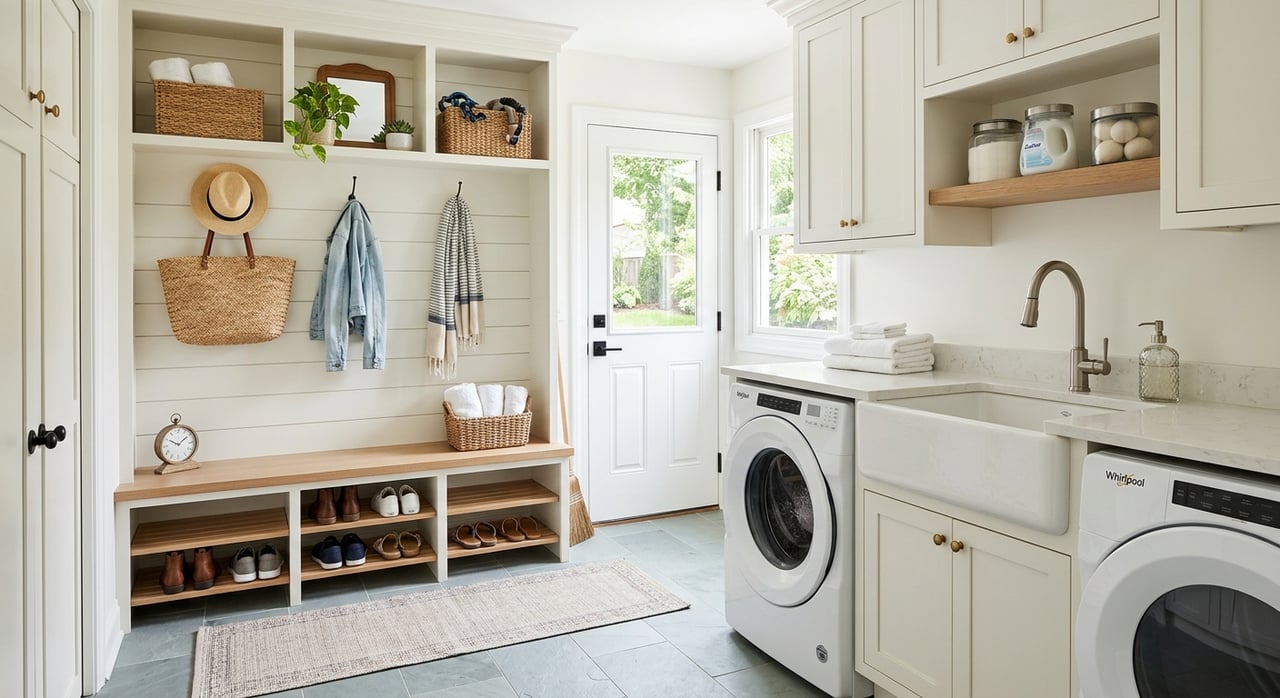
If you are getting ready to sell a property in Banner, first impressions are doing more work than ever. Today’s buyers often make early judgments from photos, a quick drive up, and a short showing window, especially when they are comparing rural and small-town properties across Sheridan County. The good news is that smart preparation can help your property feel easier to understand, easier to access, and easier to value. Let’s dive in.
Why preparation matters in Banner
Selling in Banner is not always the same as selling a house on a standard in-town lot. Buyers may be looking at the home itself, but they are also evaluating the land, access, outbuildings, utilities, and how the property functions through Wyoming’s changing seasons.
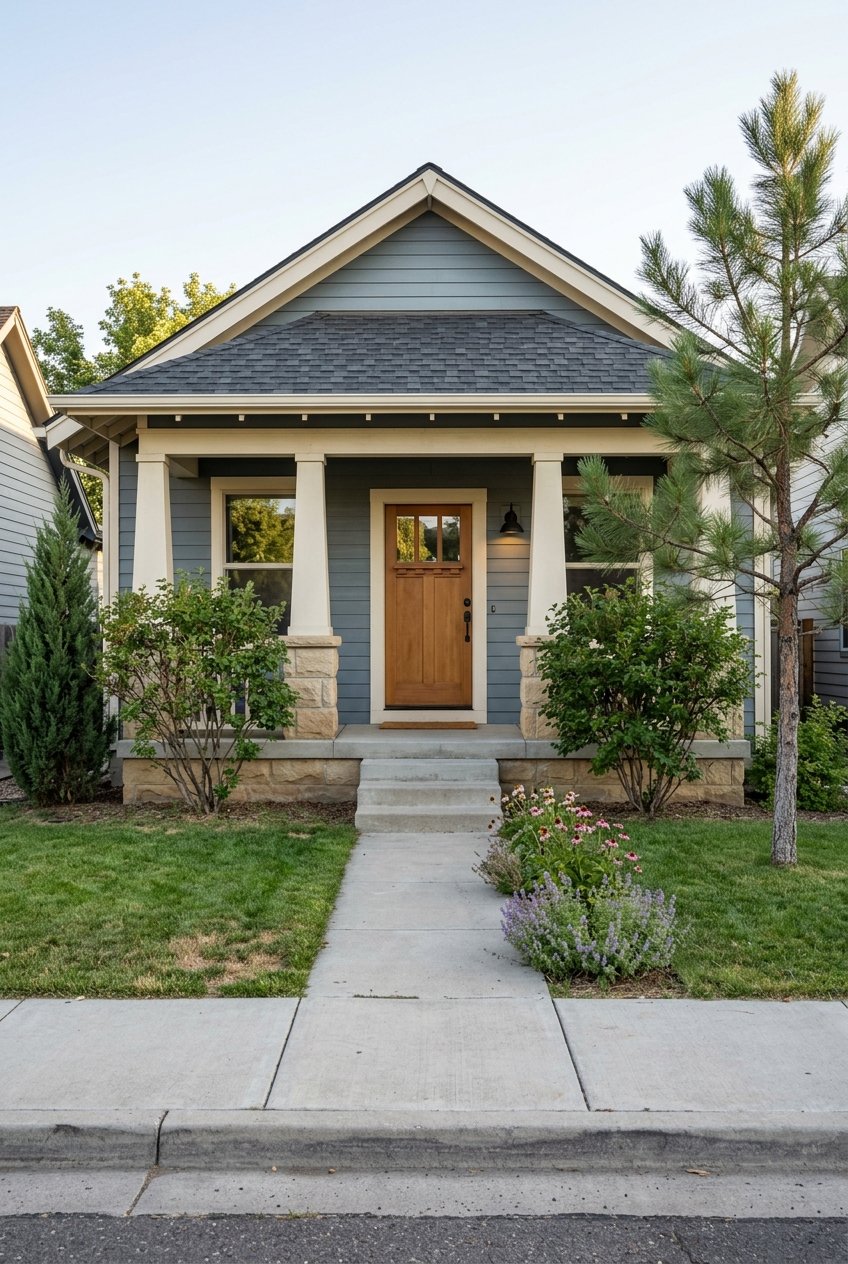
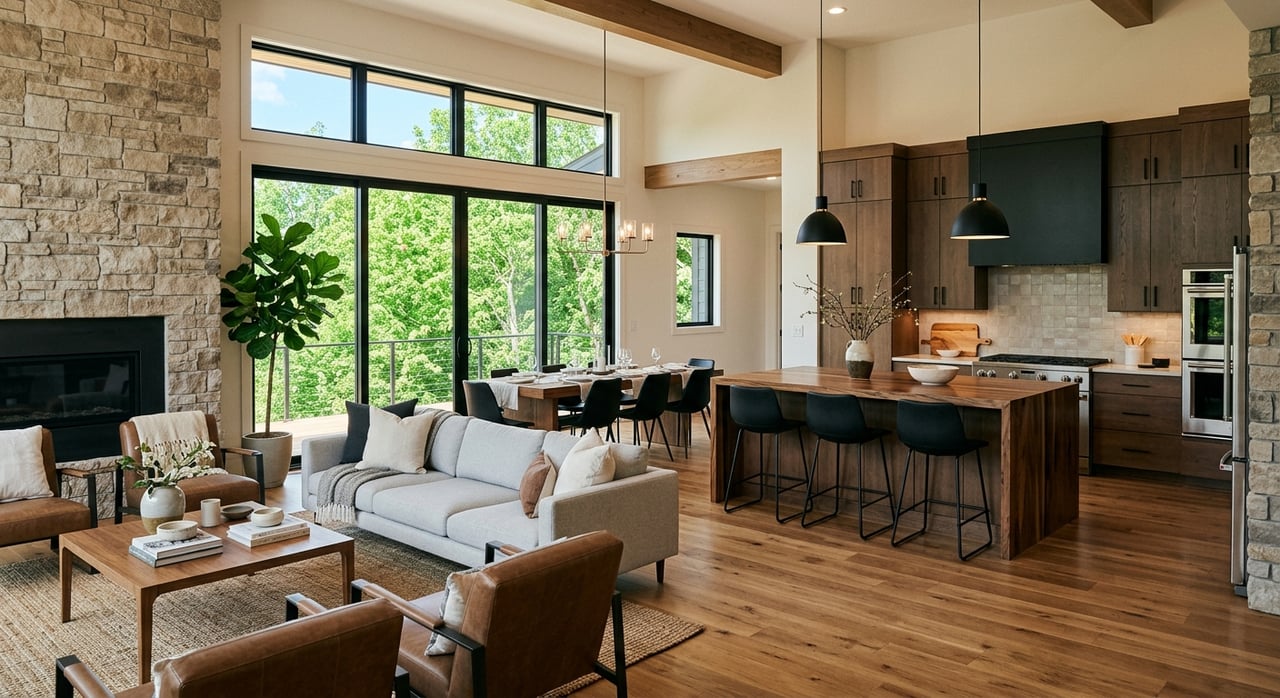
That matters because presentation still influences results. In NAR’s 2025 staging report, 29% of agents said staging increased the dollar value offered by 1% to 10%, and 49% said it reduced time on market. The same report found that decluttering, whole-home cleaning, and curb appeal are the most common improvements sellers are advised to make.
For a Banner-area property, preparation is really about reducing friction. When buyers can quickly see how the home lives, how the land works, and what has been maintained, they are more likely to feel confident moving forward.
Focus on access first
Before buyers notice finishes or room sizes, they need to be able to reach the property and move around it comfortably. In a rural setting, access can shape the showing experience from the first minute.
Sheridan’s 2025 climate summary gives helpful local context. The year included 37 days with highs at or below freezing, 178 days with lows at or below freezing, and 16 heavy-snow days. Sheridan County transportation planning also highlights the importance of snow removal routes, which reinforces how much winter access can matter.
That is why one of the smartest first steps is making your access plan clear and simple. If the driveway, gate, approach, or parking area feels confusing or difficult, buyers may start worrying before they even walk inside.
Access items to handle before showings
- Clear the driveway and approach
- Make parking and turn-around areas obvious
- Confirm gate access works smoothly
- Prepare simple entry instructions
- Identify who maintains the road
- Be ready to explain winter access
Wyoming’s vacant-land disclosure law also reflects the kinds of questions rural buyers tend to ask. They often want to know who maintains the road, what level of maintenance is available, whether utility infrastructure exists, whether fire protection is available, and whether easements affect the property. If your property is outside city or town boundaries, buyers may also ask whether the wind estate has been severed.
Make the land part of the story
In Banner, the land should not feel like background scenery. It is often a major part of the value buyers are considering.
Sheridan County’s open-space planning points to the local importance of agricultural lands, wooded natural resources, wildlife areas, water courses and riparian areas, viewsheds and ridgelines, recreation, historic areas, and sense of place. That means your listing should help buyers understand how the land contributes to daily use and long-term appeal.
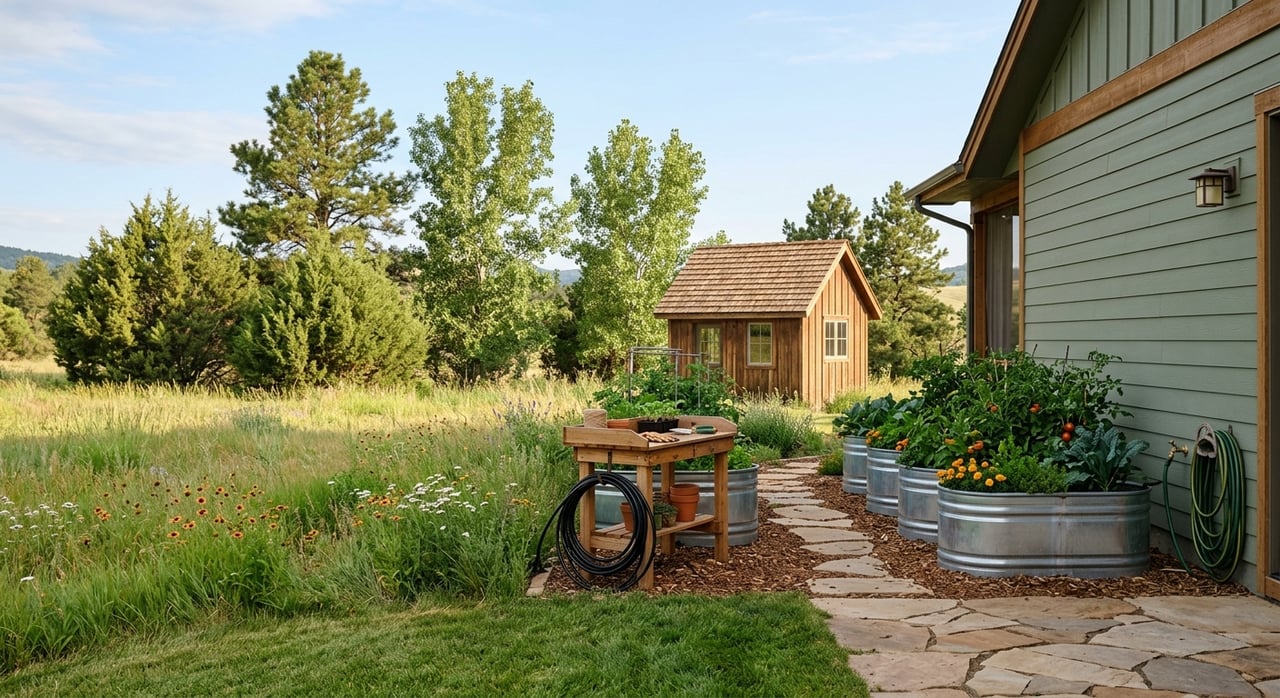
Instead of thinking only about the house, think about the full property experience. Buyers want to see where they enter, where they park, how the outbuildings connect to the home, how the fencing lays out, and where the best views or natural features sit on the site.
What buyers should be able to understand quickly
- The home’s relationship to the land
- Driveway and road approach
- Fence lines and usable outdoor areas
- Outbuildings and how they function
- Water features, wooded areas, or open views
- Areas that support storage, animals, equipment, or recreation
This approach also fits what buyers respond to online. NAR reports that listing photos matter to 88% of sellers’ clients, videos matter to 47%, and physical staging matters to 43%. In other words, your marketing should show how the property lives, not just how the house looks.
Clean, declutter, and simplify every structure
One of the most effective things you can do is remove visual noise. That applies to the house, but it also applies to shops, barns, sheds, garages, and utility areas.
In many rural sales, buyers are not just asking whether a building exists. They are asking whether it feels usable, maintained, and worth paying for. A cluttered outbuilding can make a solid structure feel smaller or more neglected than it really is.
Start by giving each space a clear purpose. If a shop is for equipment storage, make that obvious. If a barn supports animal use, keep it orderly and easy to walk through. If a garage has work space, open it up so buyers can understand the layout quickly.
Priority prep tasks
- Remove unused items from rooms and outbuildings
- Deep clean floors, walls, windows, and doors
- Organize shelves and work areas
- Clear around mechanical systems
- Tidy utility spaces
- Remove scrap piles and loose materials outside
These steps line up with what agents most often recommend to sellers: decluttering, cleaning the entire home, and improving curb appeal. They are simple, but they help buyers focus on the property itself instead of the work they think they will need to do.
Handle visible repairs early
Most sellers do not need to overhaul everything before listing. But obvious repair issues can stand out in photos and during showings, and buyers often use those clues to judge overall maintenance.
That is why it helps to address the items that create instant doubt. Broken latches, sticking doors, worn trim, loose fence sections, damaged gutters, leaks, and clutter around utility areas can all make a property feel less cared for.
In a market where buyers may be moving quickly from one property to the next, the goal is to remove avoidable distractions. Small repairs often do more than people expect because they help the property feel straightforward and better maintained.
Repairs worth prioritizing
- Fix broken gates, latches, and door hardware
- Repair loose fencing
- Address leaks and drainage issues
- Replace or secure damaged gutters
- Touch up worn exterior trim
- Clean up clutter around utility and mechanical areas
Get well and septic records ready
For acreage and rural properties, utility documentation can be just as important as cosmetic preparation. Buyers often want answers early, and having records organized helps the transaction feel smoother.
Sheridan County’s comprehensive plan notes that about one-third of county residents use well and septic systems. It also identifies septic systems as a major groundwater concern and notes that livestock corrals can pose contamination risk when they are too close to water sources. That makes site layout, maintenance, and documentation especially relevant.
EPA guidance says septic systems should be inspected every 1 to 3 years and pumped every 3 to 5 years. It also says private well owners are responsible for regular testing, including annual testing for bacteria, nitrates, and viruses, plus radionuclides every three years.
If you have these records, gather them before the home goes live. If you do not, this may be a good time to locate property records, permits, design plans, or service history so you are not scrambling after a buyer asks.
Records to gather before listing
- Recent septic inspection records
- Septic pumping history
- Well water test results
- Property deed and permit records
- System design plans if available
- Notes on maintenance or repairs
Just as important, make the well area itself clean and easy to inspect. EPA recommends draining runoff away from the well and keeping fuels, fertilizers, pesticides, and other pollutants away from the water source.
Improve safety and defensible space
A well-prepared rural property should also show clear, safe surroundings. USDA Forest Service guidance for fire-adapted communities emphasizes defensible access and clear surroundings so emergency responders can reach the property safely.
That guidance is also practical for marketing. When overgrown brush, wood piles, dry grass, propane tanks, or debris sit too close to structures, buyers may see added risk and added work.
Simple cleanup can go a long way here. Clear leaves and needles from roofs and gutters, remove flammable materials near structures, and trim back areas that make buildings feel crowded by vegetation.
Outdoor cleanup that helps
- Mow dry grass
- Move wood piles away from structures
- Clear leaves and needles from roofs and gutters
- Remove excess brush near buildings
- Store gas cans and equipment neatly
- Make propane tank areas look orderly and accessible
Prepare for the questions buyers will ask
One of the best ways to sell with less stress is to anticipate buyer questions in advance. This is especially helpful in Banner, where buyers may be comparing lifestyle properties with very different setups.
The most common questions are usually practical. How is winter access handled? Who maintains the road? When were the well and septic last serviced or tested? Are there easements or wind-rights issues? Which improvements actually add usable value?
If you can answer those questions clearly, you remove uncertainty. That does not just help buyers feel informed. It also helps your agent market the property with more confidence and fewer last-minute surprises.
Work with a clear listing strategy
Preparation is most effective when it connects to pricing and marketing from the start. NAR’s 2024 Profile of Home Buyers and Sellers found that 90% of sellers used a real estate agent, and sellers especially wanted help pricing competitively, marketing the home, finding a qualified buyer, and selling within a specific timeframe.
That lines up with what many Banner-area sellers need most. You want practical guidance on what to fix, what to clean, what to document, and what buyers are most likely to notice first.
A smart listing strategy should highlight the full property story, not just square footage and bedroom count. In a place like Banner, that means matching preparation, pricing, and marketing so buyers can clearly see the value from the first photo through the final showing.
If you are thinking about selling in Banner or anywhere around Sheridan County, Chad A Conley can help you build a calm, practical prep plan that fits your property and your timeline.
FAQs
What should sellers in Banner, Wyoming do first before listing a rural property?
- Start with access, cleanup, and documentation. Make the driveway and entry easy to navigate, declutter the home and outbuildings, and gather records for systems like well and septic.
Why does access matter so much for Banner property showings?
- Rural buyers often evaluate the road approach, driveway usability, gate access, parking, and winter conditions before they evaluate the home itself. Clear access reduces uncertainty from the start.
How should you prepare outbuildings on a Banner property for buyers?
- Clean and declutter barns, shops, sheds, and garages so each space looks usable, understandable, and well cared for. Buyers often view these structures as part of the property’s value.
What well and septic information should Banner sellers have ready?
- Gather inspection records, pumping history, water test results, permits, and any available design or maintenance records. Buyers commonly ask for this information early in a rural sale.
How should land be marketed with a Banner home listing?
- The listing should show the whole property story, including the home, driveway approach, outbuildings, fence lines, views, and natural features, so buyers can understand how the land functions and adds value.
What repairs matter most before listing a Banner property?
- Focus on visible issues that create doubt, such as broken latches, sticking doors, damaged gutters, loose fencing, leaks, worn trim, and clutter around utility or mechanical areas.