If you picture country living around Banner as one long postcard, you may miss the part that matters most: the seasons shape daily life here. That is not a downside for the right buyer. It is part of the appeal. If you want more space, quieter surroundings, and quick access to the outdoors, this guide will help you understand what life around Banner looks like from winter through fall and what tradeoffs come with it. Let’s dive in.
Banner Means Rural County Living
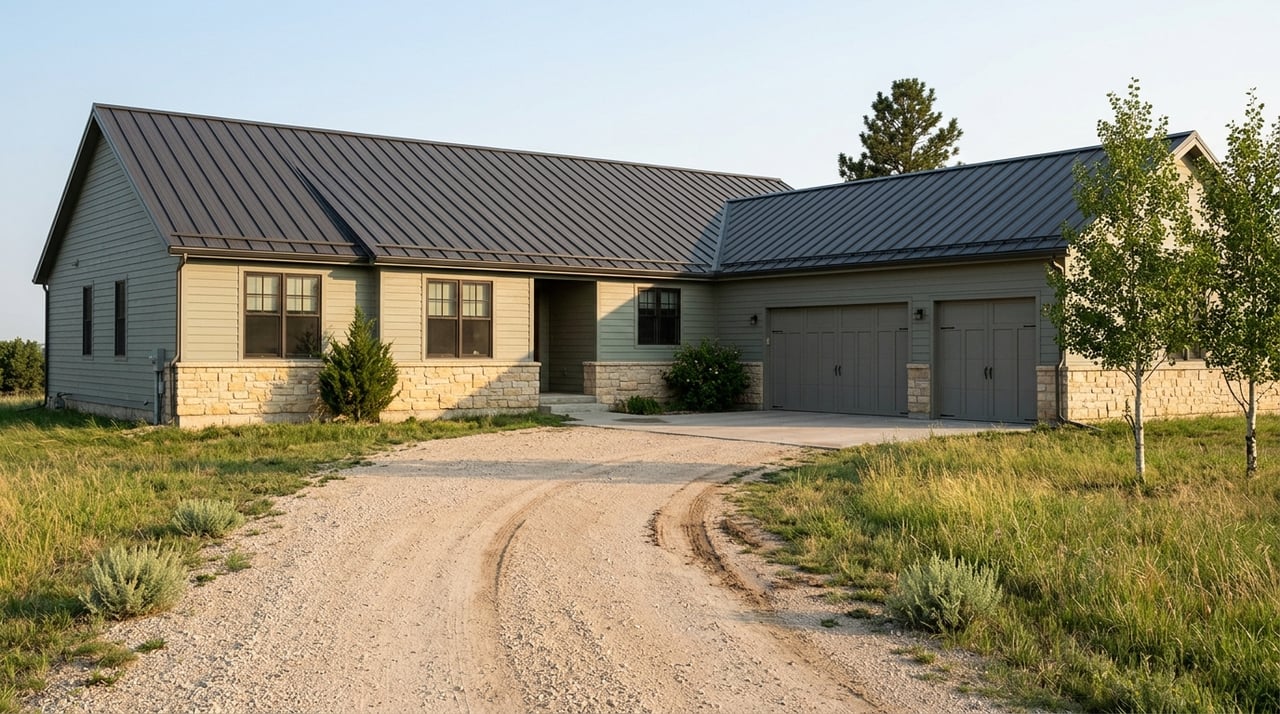
Banner is an unincorporated community in Sheridan County, which means it feels more like country living than town living. You are not stepping into a separate municipal system with the same service layers you would expect in Sheridan.
That distinction matters in everyday life. Around Banner, weather, road conditions, and seasonal access can have a bigger impact on your routine. For many buyers, that is a fair trade for more room, more privacy, and a landscape that feels connected to the county’s open space and recreation.
What the Climate Around Banner Feels Like
A useful climate baseline comes from the Sheridan Field Station, the nearest long-term NOAA proxy in the research. Its 1991 to 2020 normals show an annual mean temperature of 44.9 degrees, annual precipitation of 13.88 inches, and annual snowfall of 33.2 inches.
Winter is cold but not constant deep-freeze. January averages 33.7 degrees for the high and 10.1 degrees for the low, while December averages 34.5 and 11.5. Summer swings the other direction, with July averaging 87.2 for the high and 55.0 for the low, which helps explain why long outdoor days and cooler evenings are a real part of the lifestyle.
Spring often brings the wettest stretch of the year. May averages 2.91 inches of precipitation and June averages 2.30 inches, which supports the local reality of thaw, runoff, and muddy roads just as the ground is warming up.
Winter Around Banner Is About Access
Winter country living near Banner usually comes down to one word: access. Snow conditions can change the feel of a property quickly, especially if your route includes gravel roads, less-traveled county roads, or rugged forest access roads.
That is one of the biggest differences between Banner and Sheridan. In Sheridan, the city uses a structured winter plowing system that prioritizes primary streets and arterials first, while some secondary and residential routes may see delays and some steep roads may close during severe weather. Around Banner, life is more self-managed because you are outside that municipal setup.
The nearby recreation pattern tells you a lot about what to expect. In the Woodrock and Penrose recreation region, the Forest Service describes Big Goose, also known as Red Grade Road, as part of a rugged area best traveled in high-clearance four-wheel-drive vehicles. That is a strong clue for buyers considering country property in this part of Sheridan County.
Winter also comes with a real upside. The Bighorn National Forest lists nearly 400 miles of over-snow vehicle trails, two downhill areas, and six Nordic ski and snowshoe areas. If you want country living that puts winter recreation close to home, Banner can feel like a basecamp instead of a place you endure until spring.
What Buyers Should Ask About Winter Access
When you are looking at property around Banner, winter access should be part of the showing conversation. You do not need to overcomplicate it, but you do want a clear picture of how the property functions when conditions are less forgiving.
Questions worth asking include:
- Is the main access road paved, gravel, or unimproved?
- Does the driveway have slopes, drifts, or drainage issues?
- How does access typically change after snow events?
- Are any nearby recreation or secondary roads seasonal or condition-dependent?
- How much day-to-day planning will winter require?
Spring Is Mud Season
Spring is when country living gets practical fast. Snowmelt, rain, and heavy wet snows can make roads and trails highly susceptible to damage, and the Forest Service uses temporary closures in some areas to protect roads and reduce future maintenance needs.
That matters because spring around Banner is not just scenic green-up. It is also thaw, soft ground, standing water in spots, and the kind of mud that can change how you use a driveway or secondary route for a while.
Sheridan County’s road system helps explain why this season deserves attention. The county’s 2022 audit lists 74 miles of dirt or unimproved roads, and those roads are not assessed or maintained under the same system as paved and gravel roads. For buyers considering acreage or a more remote setting, that is an important part of setting expectations.
Spring Chores on Acreage
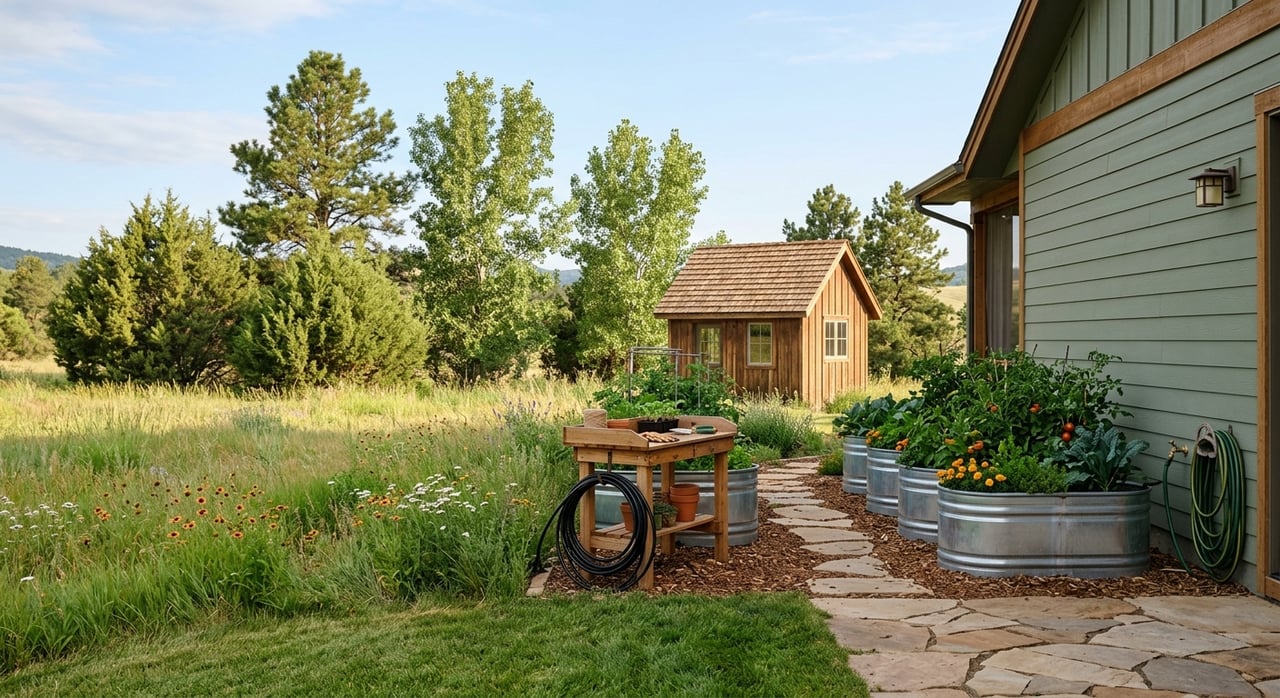
If you are buying more than a house lot, spring brings recurring work. University of Wyoming Extension guidance recommends several early-season tasks that fit the Banner lifestyle well.
Common spring jobs include:
- Maintaining fences before turning out livestock
- Scouting fields for poisonous plants
- Managing grazing carefully as growth starts
- Testing soil before fertilizing hay fields and pastures
- Cleaning irrigation ditches
- Checking pumps, drip lines, and irrigation equipment
This is a good example of the Banner tradeoff. You get space and flexibility, but you also take on a more hands-on property rhythm.
Summer Is the Payoff Season
Summer is when many buyers feel the Banner lifestyle click into place. The climate supports warm days and cooler nights, and the surrounding geography opens up in a big way.
Sheridan County Travel & Tourism describes the Bighorn National Forest as more than 1.1 million acres with 1,200 miles of trails, 30 campgrounds, 10 picnic areas, and miles of streams. That scale helps explain why living around Banner can feel less like living on the edge of a town and more like living next to a recreation network.
The Bighorn Scenic Byway adds another layer to summer living. Following US 14 from Ranchester and Dayton through the Bighorn National Forest, it connects to campgrounds, accessible hiking trails, picnic areas, and fishing spots such as Sibley Lake, Prune Creek, and the Little Tongue River.
The nearby Woodrock and Penrose region also supports a wide range of warm-weather use, including fishing, day hikes, mountain biking, OHV trail riding, picnicking, camping, and hunting. Some named sites in that region include Dead Swede, East Fork, Ranger Creek, and Tie Flume, with access that can remain weather-dependent.
Why Summer Sells the Lifestyle
For many buyers, summer is when the value of country living becomes easy to see. Longer days make it easier to enjoy your own land, take evening drives, or head into the forest without turning it into a full-day event.
It is also the season when the Banner area feels most open and connected. If your idea of home includes room to spread out and easy access to outdoor recreation, summer shows the strongest version of that promise.
Fall Is Beautiful but Busy
Fall around Banner is often when recreation and property upkeep overlap. Access is still a benefit, but the season starts to turn your attention back to preparation.
The Forest Service notes that hunting is popular in the Bighorn National Forest in late summer and fall. It also reminds visitors that roads, trails, and access routes change with the seasons and that many rugged areas have limited cell service, which is useful context if you are comparing Banner with a more convenience-driven location.
For acreage owners, fall is not a slowdown. University of Wyoming Extension recommends deep watering trees and shrubs in late fall, especially evergreens, and using a 2- to 3-inch organic mulch layer to help protect roots and moderate soil temperature through winter.
Fall Tasks That Matter
If you own country property near Banner, fall is often the season to wrap up loose ends before freeze-up. That can make the season feel productive rather than quiet.
Typical fall priorities include:
- Checking and repairing fences
- Deep watering trees and shrubs
- Applying organic mulch around plantings
- Reviewing pasture and grazing conditions
- Preparing the property for winter access and colder weather
Banner vs. Sheridan: The Real Tradeoff
The best way to think about Banner is not better or worse than Sheridan. It is a different daily rhythm.
Banner offers more space, quieter surroundings, and fast access to hunting, hiking, camping, and winter sports. Sheridan offers easier access to city services, denser street plowing, and a more convenience-oriented routine.
That tradeoff matters most when you think about your priorities. If you want a more self-managed lifestyle and you are comfortable with mud, gravel, snow, and seasonal access changes, Banner can be a strong fit. If you want easier day-to-day service access and more predictable in-town convenience, Sheridan may line up better.
How to Evaluate Country Property Near Banner
When buyers look at homes or acreage around Banner, it helps to go beyond square footage and views. A property can be appealing in July and feel very different in January or during spring thaw.
A practical evaluation usually includes:
- Year-round road and driveway access
- Surface type for roads leading to the property
- Seasonal changes in forest or recreation-road access
- The amount of upkeep the land will require
- Your comfort level with a more hands-on lifestyle
This is where local guidance matters. If you are comparing country properties around Banner with homes in Sheridan or nearby communities, it helps to work with someone who can talk through the lifestyle side as clearly as the real estate side.
If you are weighing Banner against Sheridan or trying to decide whether acreage living fits your goals, Chad A Conley can help you sort through the practical details, compare options, and move forward with clear, low-pressure guidance.
FAQs
How does winter access around Banner compare to Sheridan?
- Banner is more weather-dependent because it is rural county living outside Sheridan’s municipal plowing system, while Sheridan has a city snow plan that prioritizes major streets and manages severe-weather conditions more directly.
What is spring like for country property around Banner?
- Spring is often the mud-and-thaw season, with snowmelt and rain creating soft ground, muddy roads, and changing access conditions, especially on dirt, unimproved, or rugged routes.
What can you do in summer near Banner, Wyoming?
- Summer recreation near Banner includes hiking, fishing, camping, mountain biking, OHV trail riding, picnicking, and scenic drives through the Bighorn National Forest and along the Bighorn Scenic Byway.
What upkeep comes with acreage living around Banner?
- Acreage owners may need to maintain fences, monitor grazing and pasture conditions, test soil, clean irrigation ditches, check irrigation equipment, and prepare trees and shrubs for winter.
What do buyers give up when they choose Banner instead of Sheridan?
- Buyers who choose Banner usually trade some convenience, city-service access, and more structured street maintenance for more space, quieter surroundings, and closer access to open-country recreation.