If you want a home base that puts daily errands, local events, and outdoor time within easy reach, downtown Sheridan deserves a closer look. For many buyers, the appeal is not just the address. It is the mix of historic character, practical convenience, and a community rhythm that feels active without feeling rushed. This guide will walk you through what life around downtown Sheridan can look like, from homes and shops to trails and day-to-day livability. Let’s dive in.
Downtown Sheridan at a glance
Downtown Sheridan centers on a historic Main Street district that has deep local roots. Sheridan was incorporated in 1884, and the Main Street district was added to the National Register of Historic Places in 1982. The Downtown Sheridan Association also notes that its walking tour covers 70 historic buildings.
That historic setting still shapes how the area feels today. The city is exploring downtown façade design standards to help preserve the district’s character. If you are drawn to places with a sense of continuity and local identity, that matters.
Sheridan is also a relatively small city with a strong ownership base. According to Census QuickFacts, the 2024 population estimate is 19,813, the owner-occupied housing rate is 62.1%, the median owner-occupied home value is $340,600, and the median gross rent is $936.
Homes near downtown Sheridan
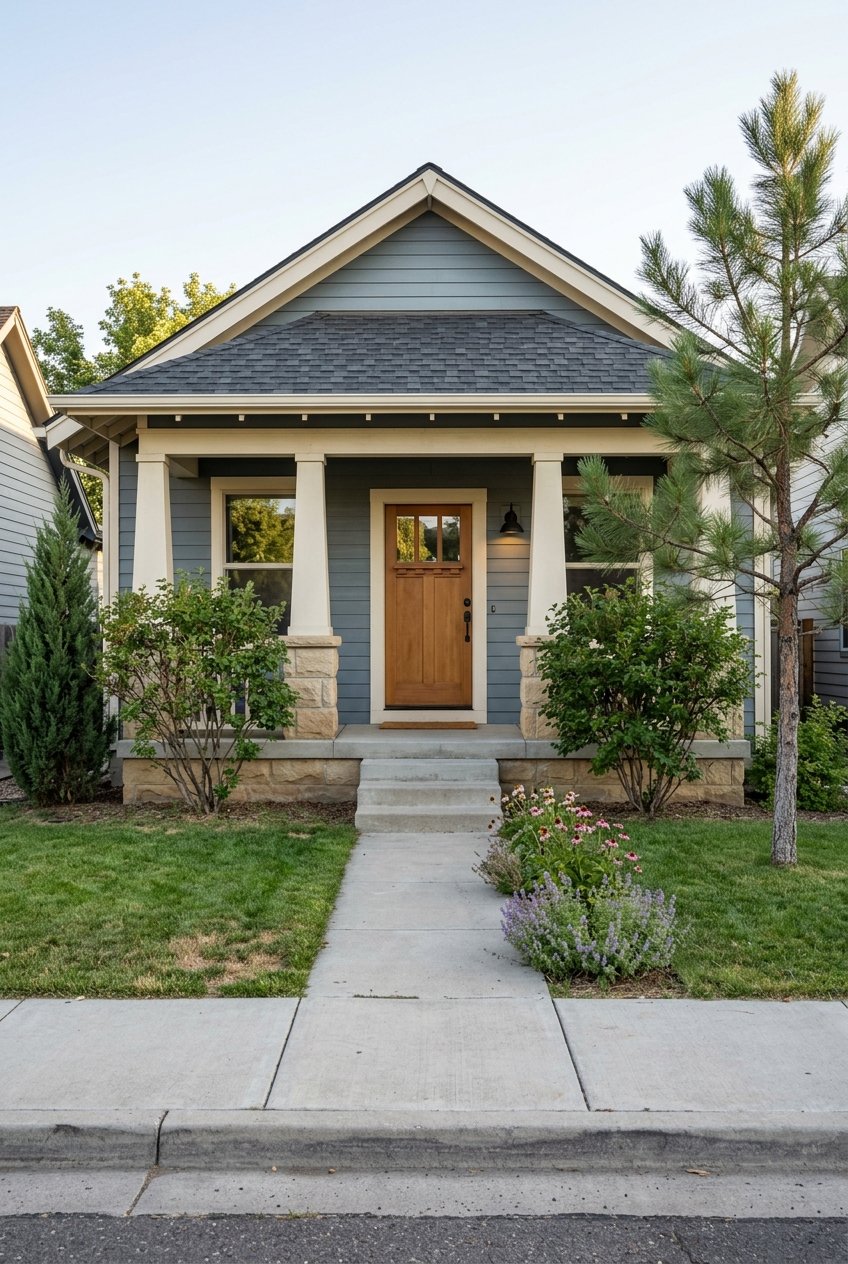
If you are looking around downtown Sheridan, you should expect housing that feels more established than brand new. The area’s story is tied to older development patterns, local landmarks, and a historic core rather than large stretches of uniform new construction.
Historic sources point to a built environment that changed over time. Early wood-frame and false-front buildings were replaced by more durable brick and stone structures between 1910 and 1920. Nearby landmarks like the Sheridan Inn and Trail End Historic Center help reinforce that long-standing, layered character.
There is another detail that helps explain the area’s evolution. When John B. Kendrick began building Trail End in 1908, the Arboretum history notes there were no houses in that area. Taken together, these details suggest that homes around downtown often reflect Sheridan’s earlier growth rather than later suburban expansion.
What that can mean for buyers
Older housing can offer details and charm that are hard to find in newer neighborhoods. At the same time, buyers should look closely at condition, maintenance history, and renovation needs.
If you are comparing homes near downtown, it helps to focus on practical questions such as:
- How much updating has already been done?
- Are major systems likely to need work soon?
- Does the layout fit how you live now?
- Will exterior changes be affected by the area’s historic character?
These are the kinds of details that matter when you want the right fit, not just an attractive listing photo.
Renovation and permit basics
If you plan to update a downtown property, city rules are part of the equation. Sheridan requires a building permit for projects over $3,000 or for new structures over 200 square feet. The city also says it has adopted the 2024 ICC codes.
For homes in or near the downtown historic setting, preservation efforts may also shape how exterior changes are approached. That does not mean improvement is off the table. It means you should go in with clear expectations, a realistic budget, and a plan that respects local requirements.
Shops and dining downtown
One of downtown Sheridan’s biggest advantages is variety. The Downtown Sheridan Association directory includes restaurants, apparel, antiques, arts and galleries, grocery, home decor, theater, lodging, Western apparel, and more.
For everyday life, that broad mix makes a difference. You are not just near a few storefronts. You are close to a real business district that supports errands, meals out, shopping, and local browsing in one part of town.
The Downtown Sheridan Association also describes the area as a diverse retail community with public art installations. That gives downtown more than a purely functional feel. It adds visual interest and a sense of place that many buyers want when they picture a walkable small-city lifestyle.
Specific downtown businesses listed by the association include Cowboy Cafe at 138 N. Main Street and Best Western Sheridan Center at 612 N. Main Street. Those examples help show that downtown is active and mixed-use, with dining and lodging alongside retail and arts-related businesses.
Arts and civic life nearby
Downtown Sheridan is not only about shops and restaurants. The city’s Recreation & Leisure resources group Whitney Center for the Arts, Sheridan Public Arts, WYO Theater, Trail End Museum, and Museum at the Bighorns alongside shopping and dining.
That tells you something important about the area. Life around downtown is tied to culture and civic activity as much as commerce.
For buyers, this can shape how the area feels after work and on weekends. You may have easier access to performances, exhibits, museums, and public events without needing to drive across town. If you value having local activity close at hand, downtown offers that kind of connection.
Trails and parks close to downtown
Outdoor access is one of the clearest lifestyle perks around downtown Sheridan. The city says Sheridan is known for its miles of public pathways, and the parks department maintains 13 city parks plus miles of public pathways, with continued expansion.
That pathway network matters in daily life. It can support walking, biking, and easy connections between different parts of the city. For many buyers, that kind of access adds value well beyond square footage.
Kendrick Park and the Arboretum
Kendrick Park stands out as a key downtown-area asset. The city describes it as part of the historic core and notes that it supports connectivity to pathways and streams while serving as an extended destination for downtown.
Nearby, the Kendrick Arboretum covers just under 8.5 acres and is accessible by the pathway system. It is designed for biking, walking, and running, which adds another option for outdoor time close to the center of town.
If you picture your ideal neighborhood including quick access to a walk, a run, or a bike ride, this part of Sheridan offers a strong case.
Dog park access
For pet owners, there is another practical perk. The city says Sheridan has more dog parks per capita than any other community in Wyoming.
One convenient option near downtown is Sheridan Avenue Dog Park, located at Sheridan Avenue and 2nd Street, just east of the historic downtown district. If a pet-friendly routine is part of your home search, that central location is worth noting.
Events that shape downtown life
A neighborhood is not just buildings and streets. It is also how the calendar feels throughout the year.
The Downtown Sheridan Association runs activities that include retail promotions, social events, and downtown image-building. Its event lineup includes Annual Wine Fest, Goose Creek Polo Cup, 3rd Thursday Street Festival, Main Street Flower Project, Crazy Days, and Christmas Stroll.
These events help create a steady community rhythm. Instead of downtown being busy only during work hours, it also functions as a social and seasonal gathering place.
For 2026, the 3rd Thursday Street Festival is scheduled for June 18, July 16, August 20, and September 17. If you are considering a move, spending time downtown during an event can give you a more realistic feel for how the area comes alive.
Is downtown Sheridan the right fit?
Downtown Sheridan tends to appeal to buyers who want more than just a house. It can be a strong fit if you want historic surroundings, access to local businesses, pathway connections, parks, and a more walk-oriented daily routine.
It may be especially appealing if you enjoy established neighborhoods and do not mind that older homes can come with more questions about condition, updates, or future improvements. Buyers who want a brand-new feel and fewer renovation variables may prefer to compare downtown with newer parts of the Sheridan area.
The key is to match the property and location to your priorities. That is especially important in a market where lifestyle, upkeep, and long-term fit all matter as much as price.
If you are weighing homes near downtown Sheridan, I can help you compare options with a clear eye on condition, location, and day-to-day livability. When you are ready to talk through neighborhoods, timing, or your next move, reach out to Chad A Conley.
FAQs
What is downtown Sheridan known for?
- Downtown Sheridan is known for its historic Main Street core, 70-building walking tour area, local shops and dining, arts and museum access, and connections to parks and public pathways.
What are homes near downtown Sheridan like?
- Homes near downtown Sheridan generally reflect older, more historically layered development rather than large areas of uniform new construction, so buyers should pay attention to condition, updates, and renovation needs.
Are there trails and parks near downtown Sheridan?
- Yes. Sheridan has miles of public pathways, 13 city parks, and key downtown-area outdoor assets like Kendrick Park and the Kendrick Arboretum.
What should buyers know about renovating homes in Sheridan?
- Sheridan requires a building permit for projects over $3,000 or for new structures over 200 square feet, and buyers considering exterior updates near the historic downtown area should also keep preservation efforts in mind.
Does downtown Sheridan have events throughout the year?
- Yes. The Downtown Sheridan Association calendar includes events such as Annual Wine Fest, Goose Creek Polo Cup, 3rd Thursday Street Festival, Crazy Days, and Christmas Stroll.